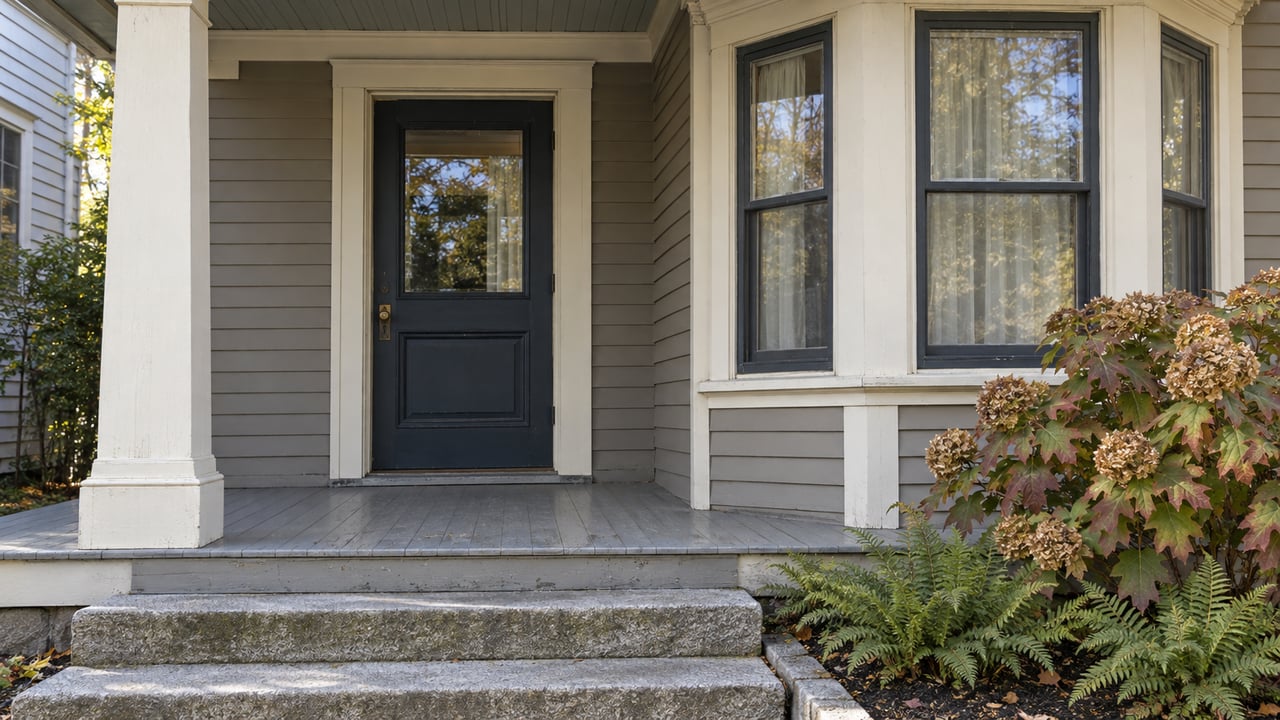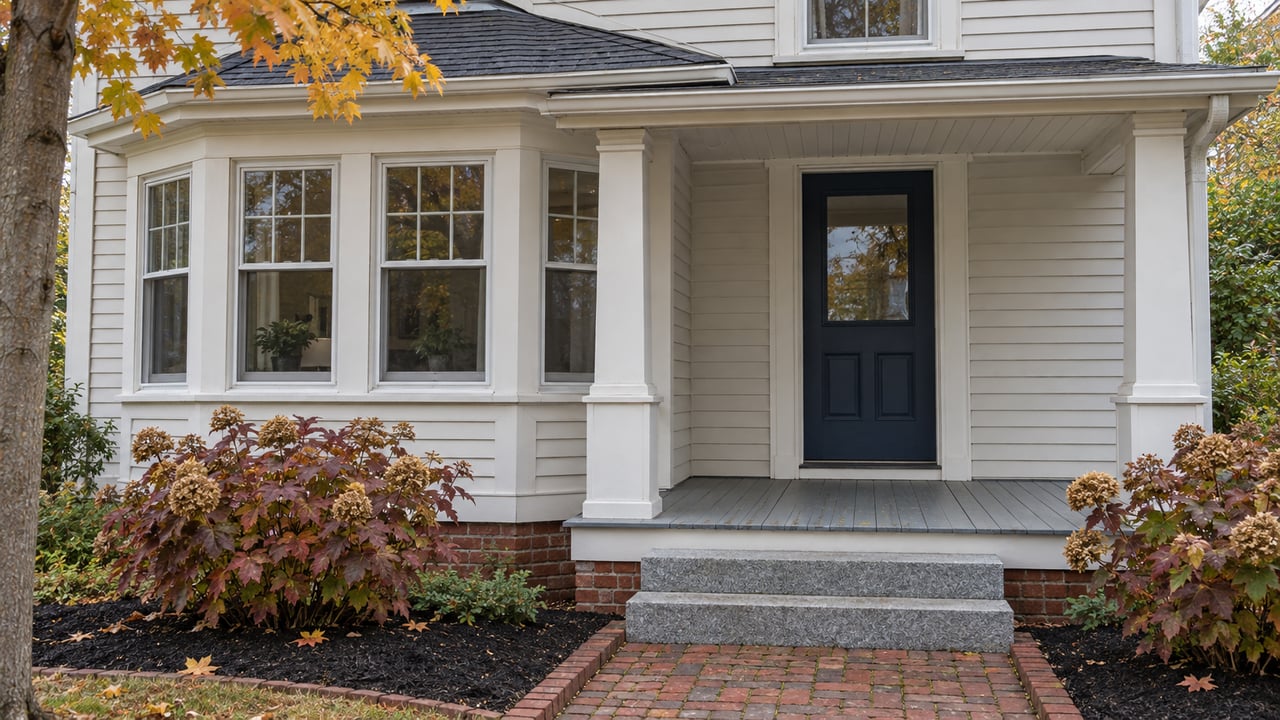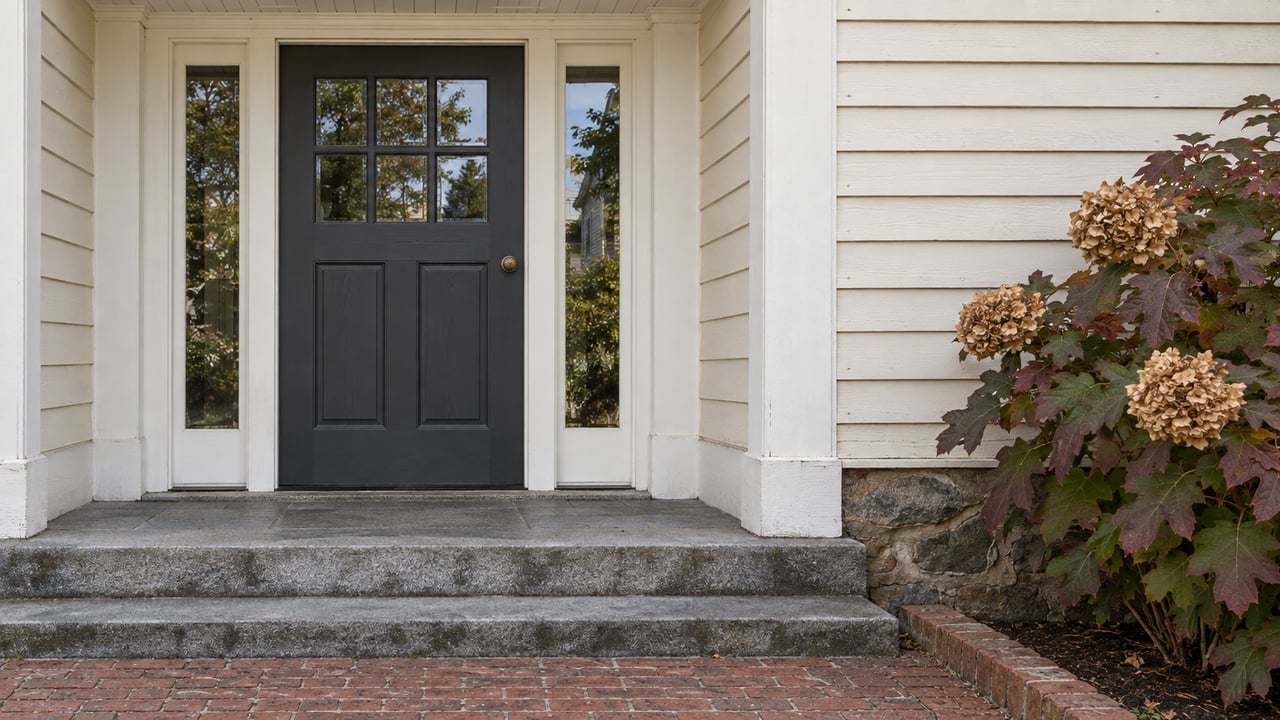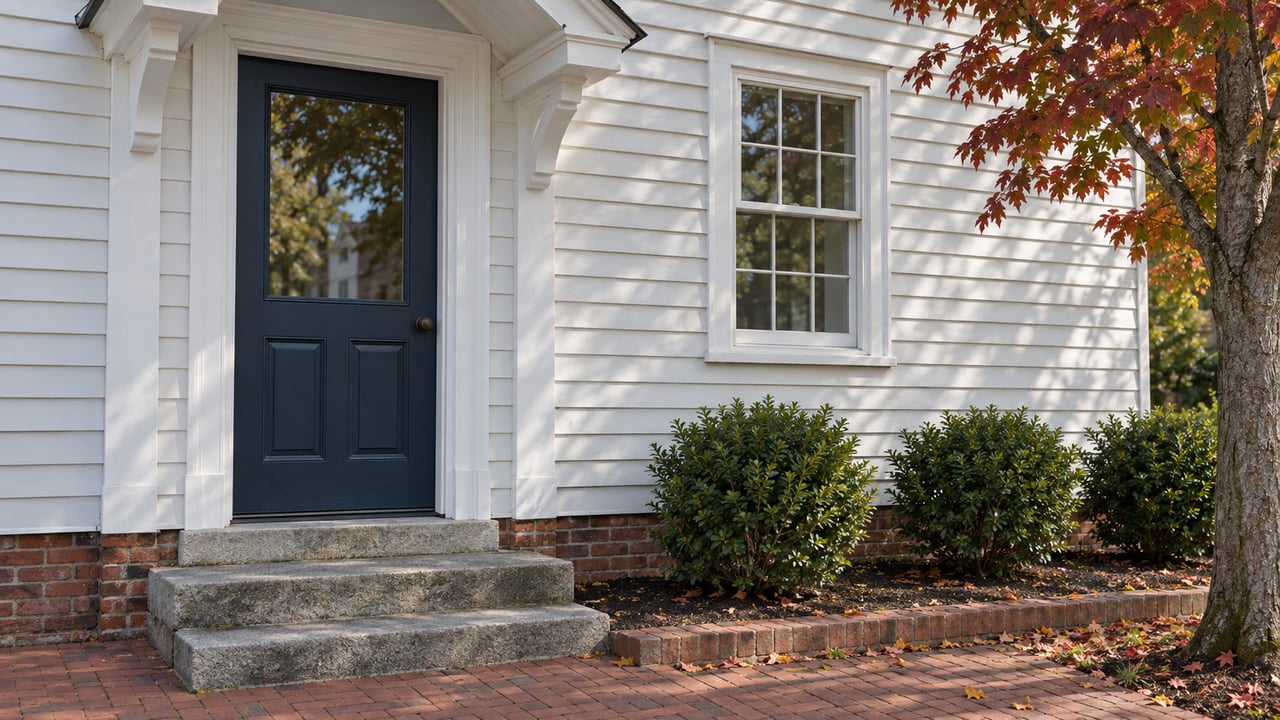
If you want a home with better rail access, walkable daily routines, and a strong sense of place, Somerville’s Green Line Extension has changed the conversation in a big way. But not every stop feels the same, and choosing the right one depends on how you want to live, what kind of home you want, and how much flexibility you need in your search. This guide breaks down Union Square, Gilman Square, and Magoun Square so you can compare the tradeoffs with more confidence. Let’s dive in.
Why the GLX matters in Somerville
Somerville describes itself as a city of more than 20 squares, each with its own mix of housing and businesses. With the Green Line Extension and Community Path now open, several parts of the city have gained a more direct rail connection while keeping their distinct neighborhood character.
The GLX branches from relocated Lechmere to a Union Square branch and a Medford branch serving East Somerville, Gilman Square, Magoun Square, Ball Square, and College Avenue. Because the line runs above ground in existing rail corridors, it supports more reliable rail access while also improving walk and bike connections around the stations.
For buyers, that means your choice is not just about price or square footage. It is also about how much you value direct transit access, nearby businesses, and the day-to-day feel of the streets around each stop.
Union Square overview
Union Square is the most urban and mixed-use GLX stop covered here. The city describes it as Somerville’s social, cultural, and spatial heart, and public planning around the square has focused on supporting civic events, active public space, and creative programming.
If you want the busiest atmosphere of the three areas, Union Square stands out. The city also highlights Bow Market as one of Somerville’s signature destinations, which adds to Union’s strong daytime and evening activity.
What housing looks like in Union Square
The adopted Union Square plan envisioned 2,350 new housing units in the plan area. That pipeline was planned with about 70% multi-unit rental housing and 30% multi-unit condo housing, along with 20% affordable units.
In practical terms, Union Square is the clearest choice if you want the newest, densest, and most redevelopment-oriented housing options along the GLX. Compared with the other stops in this guide, it reads as the most condo-forward and the most shaped by large-scale mixed-use development.
What buyers should know about Union pricing
Current market data points in the same direction. Zillow shows Union Square’s average home value at $960,158 as of May 31, 2026, with a median list price of $838,667 and homes going pending in around 10 days.
That pace suggests a fast-moving market. Inventory has included multi-family homes as well, so Union is not only a condo story. You may also find redevelopment-oriented properties and larger mixed-use opportunities, depending on what comes to market.
Gilman Square overview
Gilman Square offers a different feel. Its station-area plan describes a historic business district centered around Medford, Pearl, and Marshall streets, with a fine-grained residential street network surrounding it.
This is a strong option if you want a more residential setting while still staying close to transit. The area includes civic anchors such as City Hall, the Central Library, Somerville High School, Ed Leathers Park, and the Community Path.
What housing looks like in Gilman Square
Gilman’s housing stock is notably varied. The station-area plan points to larger apartment buildings along Highland Avenue that transition to smaller two- and three-family homes farther out.
That mix gives Gilman broader housing flexibility than Union Square. If you are comparing condos, single-family homes, and two-families at the same time, Gilman may give you more ways to balance budget, layout, and long-term goals.
What buyers should know about Gilman pricing
The city’s planning documents note that rental and sale rates in Gilman were often more affordable than in other Somerville neighborhoods, even though prices had already risen substantially. That does not make Gilman inexpensive, but it does support its reputation as a more value-oriented GLX stop within Somerville’s still high-cost market.
Recent examples show a wide spread. A condo at 74 Gilman St #10 was listed around $667,000, 102 Gilman St sold for $965,000, and 27 Gilman Ter, a larger duplex or two-family, was about $1.235 million.
That range matters if you want options. Gilman can make sense for buyers who like older Somerville housing stock and want more room to compare property types without leaving the area.
Magoun Square overview
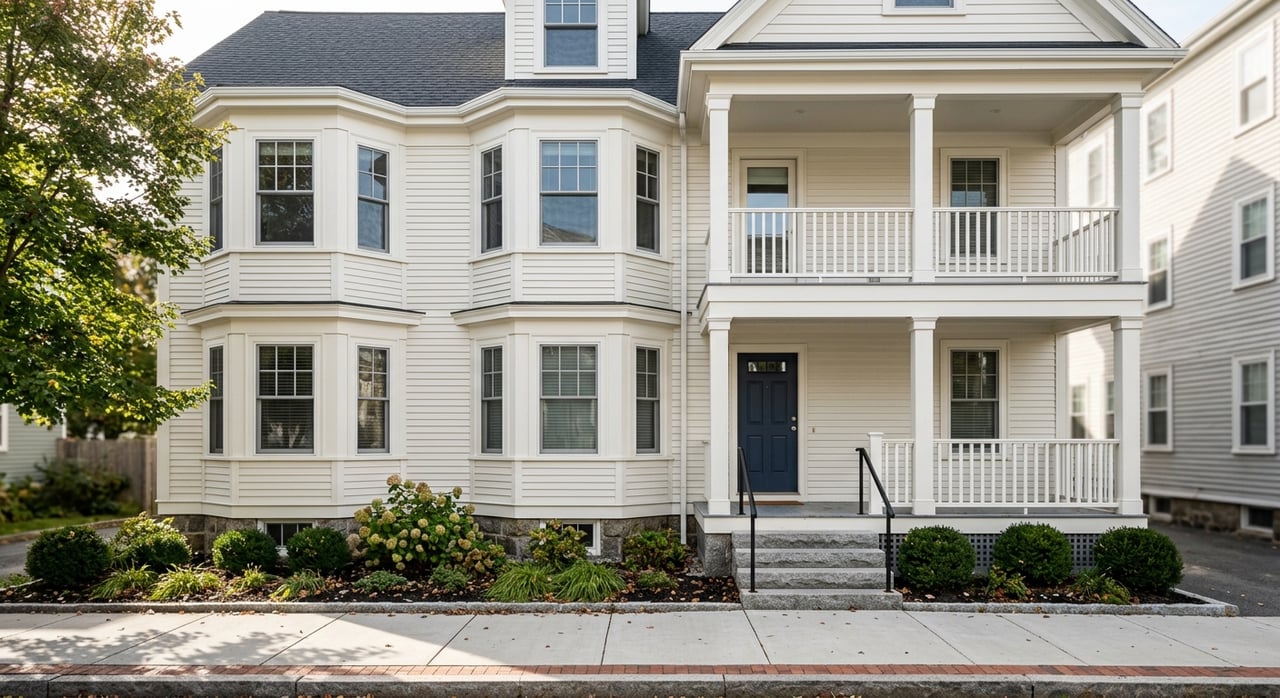
Magoun Square is the strongest match if you are drawn to classic Somerville housing and neighborhood-scale businesses. The Ball and Magoun Square plan describes the area as primarily residential, with many two- and three-family homes and established small businesses.
This gives Magoun a more traditional neighborhood profile than Union Square. Broadway acts as the main corridor linking Ball and Magoun Squares, and local planning has long treated that corridor as central to how people move through the area.
What housing looks like in Magoun Square
Among the stops in this guide, Magoun has the clearest classic Somerville housing-stock identity. Planning documents emphasize two- and three-family homes, and they describe nearby residential areas around the station in similar terms.
For some buyers, that means more of the housing style they already associate with Somerville. If you picture tree-lined residential streets, multi-family homes with more traditional layouts, and local businesses woven into the neighborhood, Magoun will likely feel familiar.
What buyers should know about Magoun pricing
Magoun Square had a median sale price of $849,714 over the three months ending May 2026, with homes taking about 72 days to sell. Redfin characterized the neighborhood as somewhat competitive during that period.
That suggests less visible market pressure than Union Square. Recent sales have included both lower-entry condos and larger homes in the seven-figure range, so you can still see a meaningful spread in product type and price.
Comparing the three GLX stops
If you are trying to narrow your search, it helps to think less about which stop is best and more about which stop fits your priorities.
| Area | Best fit for | Housing profile | Market signal |
|---|---|---|---|
| Union Square | Buyers who want the most urban, transit-rich setting | Newer, denser, mixed-use, condo-forward, with some multi-family opportunities | Average home value $960,158; homes pending in about 10 days |
| Gilman Square | Buyers who want flexibility across home types | Mix of apartments, condos, single-families, and two- to three-families | Wide pricing spread from roughly $667,000 condo examples to $1.235M two-family examples |
| Magoun Square | Buyers who want classic Somerville character | Primarily two- and three-family homes with neighborhood businesses | Median sale price $849,714; about 72 days to sell |
How to choose the right GLX stop
Choose Union for the most urban feel
Union Square makes sense if you want the strongest mixed-use environment and the most active public realm of the three. It is the easiest fit for buyers who prioritize being in the center of things and who are comfortable with a denser, more redevelopment-driven setting.
Choose Gilman for the broadest housing mix
Gilman Square works well if you want more housing variety in one search area. It can be especially helpful if you are still deciding between a condo, a single-family, or a small multi-family property and want to compare those options without changing neighborhoods.
Choose Magoun for classic Somerville housing
Magoun Square is often the clearest fit if you want a more residential feel and housing stock that reflects long-standing Somerville patterns. It offers a neighborhood-scale experience while still benefiting from the transit shift created by the GLX.
A local perspective on searching along the GLX
The Green Line Extension did not make these neighborhoods identical. It made them easier to compare on transit while leaving real differences in housing stock, street feel, and market pace.
That is why a stop-by-stop strategy matters. If you focus only on the train map, you can miss the bigger question of which part of Somerville actually fits your budget, space needs, and daily routine.
If you are exploring Somerville’s GLX neighborhoods and want help comparing specific listings, pricing ranges, or property types, Laurie Crane can help you build a focused, neighborhood-level search strategy.
FAQs
Which Somerville GLX stop is best for condo buyers?
- Union Square is the most condo-forward stop in this guide, with the strongest mixed-use development pipeline and the densest housing profile.
Which Somerville GLX stop has the widest housing mix?
- Gilman Square has the broadest mix, with examples ranging from condos to single-family homes and two-family properties.
Which Somerville GLX stop feels most residential?
- Magoun Square is described in local planning documents as primarily residential and is strongly associated with two- and three-family housing.
How competitive is Union Square in Somerville right now?
- Zillow data cited in the research report shows Union Square homes going pending in around 10 days, which signals a relatively fast-moving market.
Is Magoun Square less expensive than Union Square?
- Recent data suggests lower visible market pressure in Magoun, with a median sale price of $849,714 versus Union Square’s average home value of $960,158.
Why does the Green Line Extension matter for Somerville buyers?
- The GLX improves rail access and supports more transit-oriented, walk-and-bike-friendly connections, which can shape both daily convenience and neighborhood appeal.