If your Cambridge condo is going to stand out, it cannot rely on the market to do all the work for you. Buyers are still active, but they are also comparing options carefully, looking closely at photos, layout, and value before they ever book a showing. When your pricing, presentation, and marketing work together, you give your home the best chance to reach serious buyers fast. Let’s dive in.
Why exposure matters in Cambridge
Cambridge is an active condo market, but it is not a one-size-fits-all market. Recent snapshots show condos around $849,000 in median listing price with about 27 days on market and roughly five offers per listing, while other citywide data shows a higher median listing price and homes selling slightly below asking on average. The big takeaway is simple: demand is still there, but buyers are selective.
That selectiveness matters even more because Cambridge pricing varies a lot by micro-neighborhood. Median listing prices look very different in places like Inman Square, East Cambridge, Mid-Cambridge, Cambridgeport, and West Cambridge. If you want maximum exposure, your condo needs to be positioned against the right local competition, not just the city as a whole.
Cambridge also has a strong local-buyer base. Redfin reports that many buyers searching in Cambridge are already looking within the metro area, which means your listing needs to speak to people who know the city and will notice the details. At the same time, clear digital marketing helps out-of-area buyers understand your unit quickly.
Start with realistic pricing
Pricing is one of the first marketing decisions you make. In a market where some reports show strong activity and others suggest buyer leverage, overpricing can shrink your audience right away. A condo that feels out of step with its building, block, or neighborhood may get online views without getting serious showing requests.
The strongest pricing strategy usually looks at the condo through a very local lens. That means comparing your home to similar units in your part of Cambridge, with attention to size, condition, building style, amenities, and exact location. A brownstone condo near a neighborhood square and a unit in a larger elevator building may attract different buyers even at similar price points.
When pricing is realistic from day one, your marketing works harder. More buyers are willing to click, save the listing, and schedule time to see it. That early momentum can be one of the biggest drivers of broad exposure.
Prepare the condo before it goes live
Maximum exposure starts before the listing hits the market. If buyers first see a condo that looks cluttered, dark, or hard to understand, you may not get a second chance. The goal is to make the space feel bright, functional, and easy to picture living in.
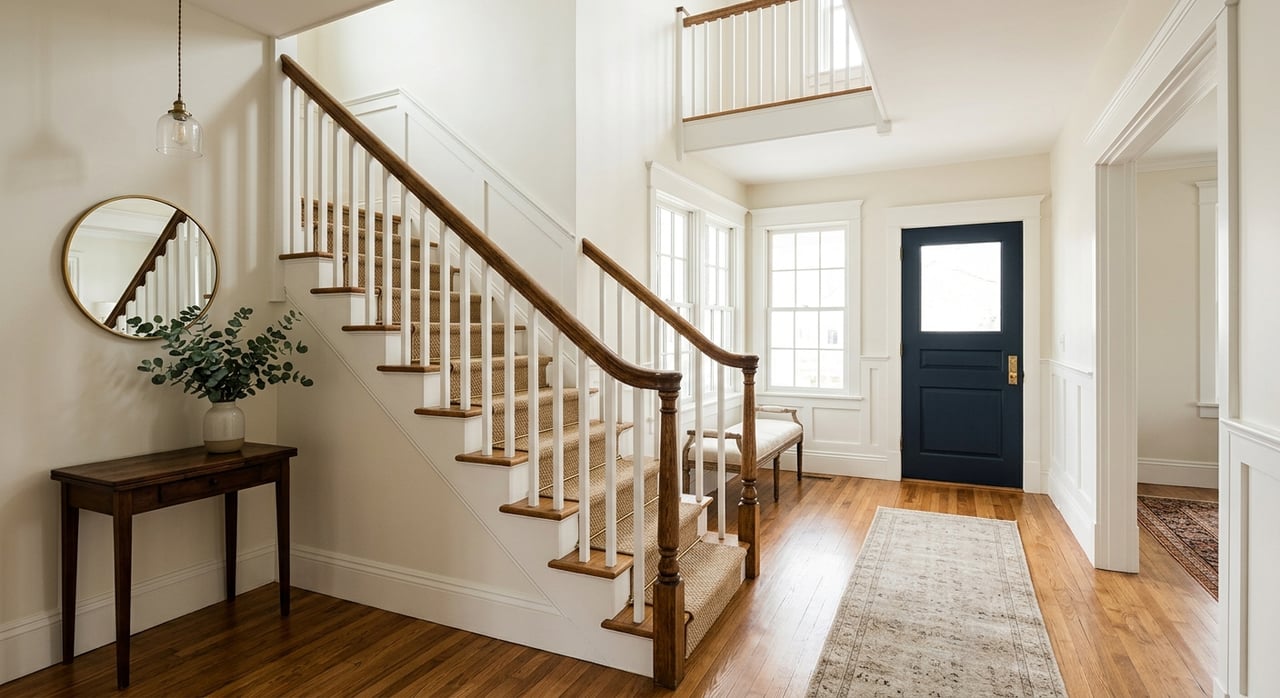
For many Cambridge condos, that means focusing on scale and flow. Smaller urban spaces need to show well in photos, and buyers want to understand how the rooms connect. Clean surfaces, edited furnishings, and thoughtful placement can help the home feel larger and more useful.
Staging can play a real role here. According to the National Association of Realtors' 2025 staging report, 83% of buyers' agents said staging made it easier for buyers to visualize a property as a future home. The biggest payoff often comes from the living room, primary bedroom, and dining area, which are the spaces buyers most often use to judge comfort and layout.
Build a complete media package
Today, online marketing is the front door to your sale. The National Association of Realtors found that 52% of buyers found the home they purchased on the Internet, and buyers say photos, detailed property information, floor plans, virtual tours, and neighborhood information are among the most useful listing features. Zillow’s 2025 consumer survey also ranked floor plans at the very top.
That means a basic set of listing photos is not enough if your goal is maximum exposure. Buyers want a full picture of the home before they decide whether to visit in person. A strong media package helps your condo compete from the first day it appears online.
Use professional photography
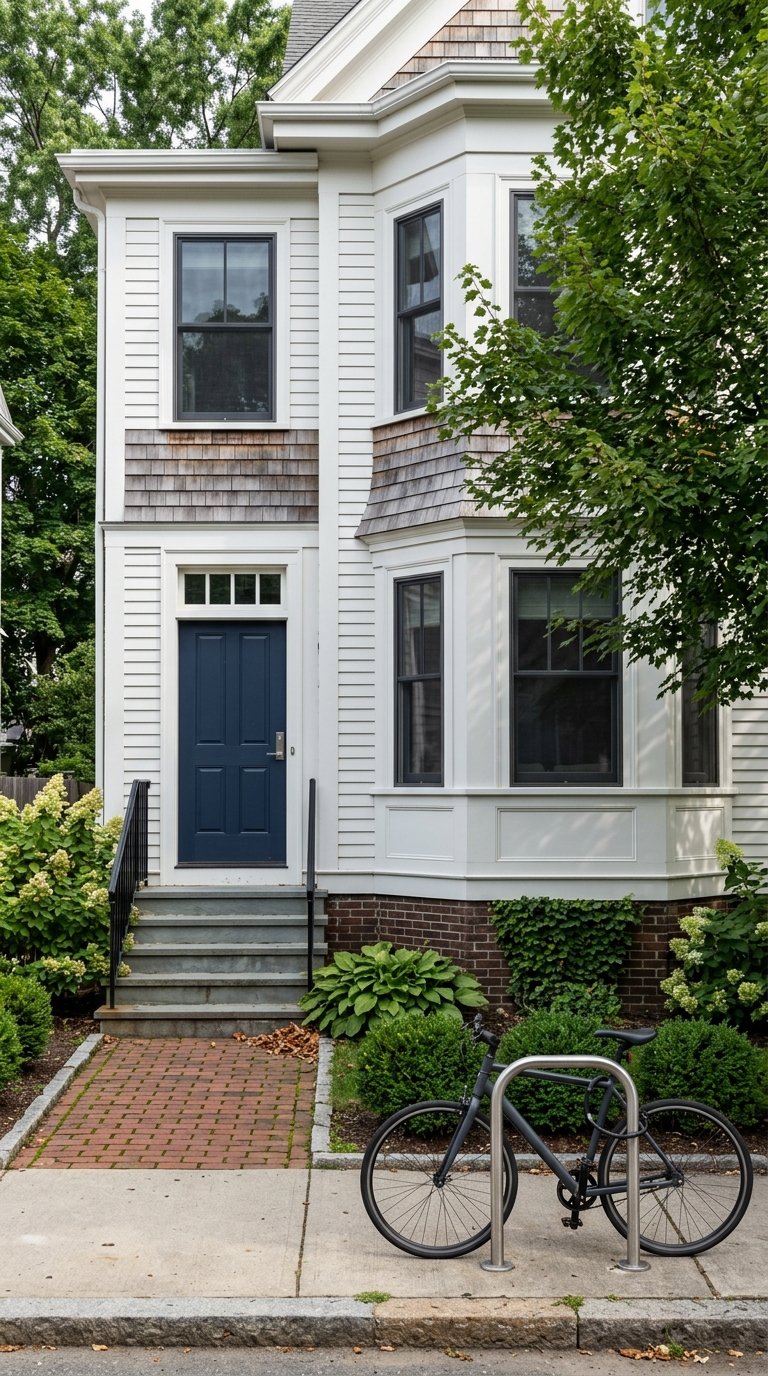
Your photos need to do more than document rooms. They should highlight natural light, room proportions, finishes, and the overall feel of the home. In Cambridge, where housing stock ranges from updated historic units to newer construction, photography should also make the unit type immediately clear.
For example, a condo in a classic building may need to emphasize ceiling height, trim detail, and room flow. A unit in an elevator building may benefit from clean, bright images that show convenience, storage, and modern finishes. In both cases, polished photography helps buyers stop scrolling.
Include a floor plan
A floor plan gives buyers information photos cannot always provide. It helps them understand dimensions, circulation, furniture placement, and how the rooms relate to one another. For condos, where every square foot matters, that clarity can be a major advantage.
This is especially important in Cambridge because buyers may be comparing very different layouts at similar price points. A well-presented floor plan helps them quickly decide whether the space fits their needs. It also helps filter in better-qualified buyers before showings begin.
Add a 3D or virtual tour
A 3D or virtual tour can widen your audience and improve the quality of interest. It gives busy local buyers a way to preview the condo on their own schedule, and it can help relocation buyers narrow down options before traveling. In a fast-moving urban market, convenience matters.
This kind of tool is most valuable when it adds information, not just flash. Buyers should come away with a better sense of layout, scale, and daily livability. That is where premium marketing can make a difference.
Tell the condo’s story in the right order
A strong Cambridge condo listing should not try to say everything at once. The clearest marketing usually leads buyers through the home in a practical sequence. Start with the unit itself, then the building, then the surrounding neighborhood context.
That order works because buyers first want to know whether the home fits their needs. Then they want to understand what the building offers, whether that means elevator access, shared amenities, storage, or other practical features. After that, neighborhood convenience helps deepen the value story.
Cambridge’s Walk Score of 90 supports the importance of location convenience. Still, neighborhood language should stay specific and factual. It is better to describe access to transit, shops, parks, or daily errands than to rely on generic lifestyle claims.
Market the micro-neighborhood, not just Cambridge
One of the most important parts of marketing a Cambridge condo is knowing exactly where it sits in the larger market. Buyers often shop by area first, then by unit. A condo in Riverside may be judged differently than one in Neighborhood Nine or Cambridgeport, even when the square footage is similar.
That is why neighborhood positioning matters so much. Your marketing should reflect the condo’s immediate surroundings, nearby amenities, and the pricing expectations buyers already have for that section of Cambridge. Broad citywide language can miss the mark when neighborhood-level differences are this meaningful.
This local approach also helps with pricing strategy, buyer targeting, and showing feedback. When your condo is framed within its true competitive set, buyers can understand its value more quickly. That can improve both interest and seriousness.
Launch with everything ready
A piecemeal launch can cost you attention. If the condo goes live before the photos, floor plan, and staging are ready, early buyers may move on before the listing tells its full story. First impressions matter most in the first days on market.
A better strategy is to prepare everything up front, then launch with a complete package. That usually includes staging, photography, a floor plan, a virtual tour if available, polished listing copy, and coordinated promotion across MLS, email, social media, open houses, and targeted digital advertising. When all of those pieces work together, your condo has a stronger chance to reach buyers where they are already searching.
This matters in Cambridge because supply is not standing still. The city’s 2026 Annual Housing Review points to ongoing housing proposals, permits, and zoning changes that may bring more competition over time. In that environment, polished marketing is not just nice to have. It is part of staying competitive.
What sellers should prioritize most
If you want the biggest return on effort, focus first on the things buyers say they use most online. That means strong visuals, a clear floor plan, detailed information, and a presentation that helps people understand the space quickly. These are not extras. They are core marketing tools.
For many condos, the highest-impact priorities look like this:
- Realistic pricing based on micro-neighborhood comps
- Decluttering and light staging in main living areas
- Professional photography
- A clear, accurate floor plan
- A 3D or virtual tour when possible
- Listing copy that explains condition, layout, building features, and location clearly
- A coordinated launch plan rather than a staggered rollout
When these pieces are done well, your condo can attract more attention from the right buyers. That is what maximum exposure really means: not just more eyes, but better-qualified interest.
If you are preparing to sell a condo in Cambridge, a thoughtful plan can make a meaningful difference in how your home is seen and how quickly buyers respond. For tailored advice on pricing, presentation, and launch strategy, connect with Laurie Crane.
FAQs
How should you price a Cambridge condo for maximum exposure?
- Use recent comparable sales and active competition from your specific Cambridge micro-neighborhood, building type, condition, and layout so the condo reaches the widest pool of serious buyers.
Is staging worth it for a Cambridge condo sale?
- Yes. Research cited in this article shows staging helps buyers visualize the property, with the biggest payoff often coming from the living room, primary bedroom, and dining area.
Do floor plans help market a Cambridge condo?
- Yes. Buyer surveys rank floor plans among the most useful listing features because they help shoppers understand dimensions, room flow, and furniture placement.
What listing photos matter most for a Cambridge condo?
- The most effective photos clearly show natural light, room size, layout, finishes, and the overall character of the unit so buyers can quickly understand what makes it stand out.
Why does neighborhood-specific marketing matter for Cambridge condos?
- Cambridge condo pricing and buyer expectations vary widely by area, so marketing the unit within its exact neighborhood context helps buyers assess value more accurately.
When should a Cambridge condo listing go live?
- A condo should usually go live only after staging, photography, floor plans, listing copy, and other marketing materials are ready so the home makes a strong first impression.