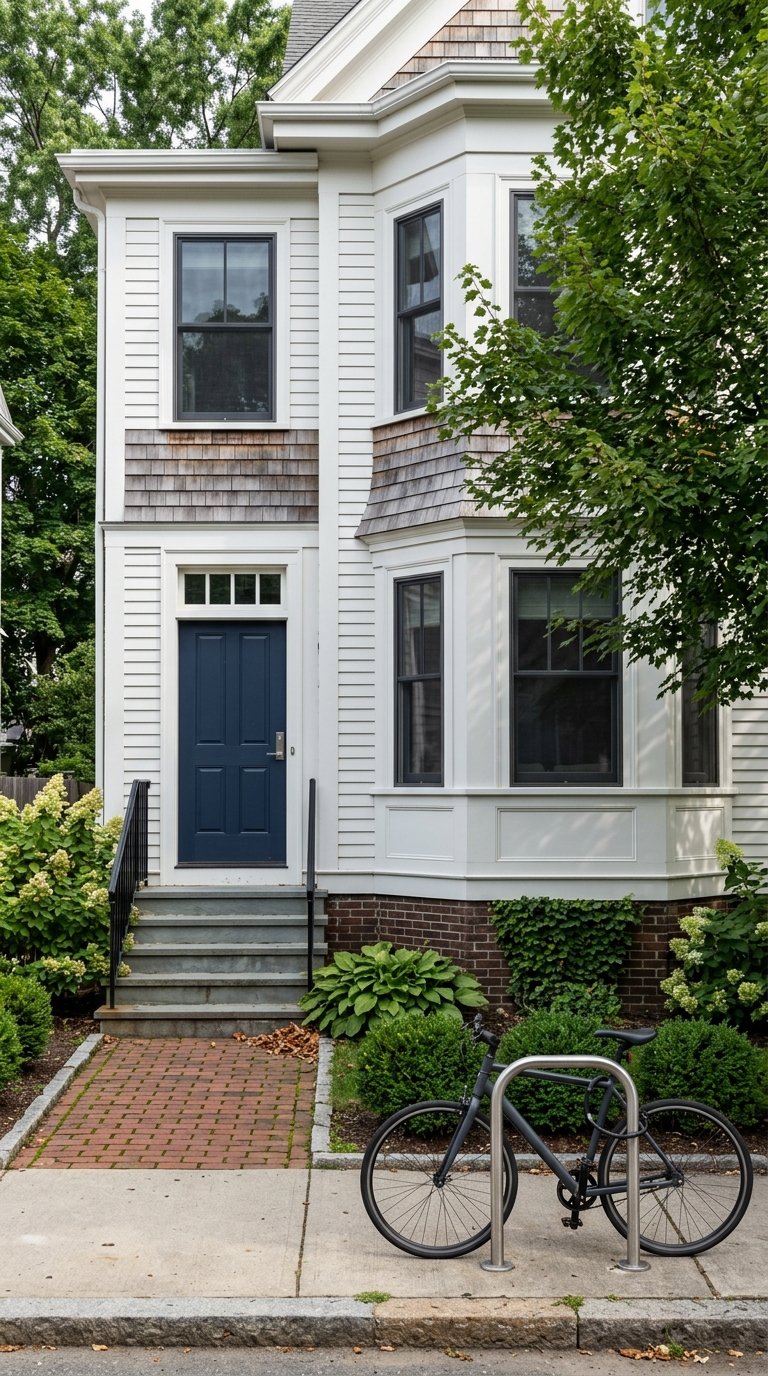
If you want to live in Greater Boston without relying on a car, Cambridge should be on your shortlist. Few places in the region make it this practical to get around by train, bus, bike, or on foot, and that flexibility can shape everything from your housing search to your daily routine. If you are relocating, buying your first home, or simply trying to simplify your commute, this guide will help you understand which Cambridge areas best support a car-free lifestyle. Let’s dive in.
Why Cambridge works without a car
Cambridge has a transit network that reaches well beyond a handful of subway stops. The city says there are 27 MBTA bus routes serving Cambridge, along with a commuter rail station at Porter Square. A 2024 transportation overview also notes that most of Cambridge is within a short walk of five Red Line stations and the Lechmere Green Line station.
That infrastructure gets used every day. According to city data, more than 100,000 public transit trips start or end in Cambridge on a typical workday, including about 80,000 Red Line trips, 3,500 Green Line trips, and 18,200 bus rides. In other words, transit is not a backup plan here. It is part of how the city functions.
Household and commuting patterns tell the same story. The 2019 to 2023 ACS estimate found that 34% of Cambridge households have no vehicle available at home, and 48% of multi-person households have only one vehicle. The city also reports that 10.2% of Cambridge residents who commute to work and do not work from home bike to work, far above state and national rates.
Bike access adds another major advantage. As of May 2024, 13.77 miles of Cambridge’s planned 25 miles of separated bike lanes were already installed or under construction. The city also highlights regional connections like the Minuteman Bikeway, the Charles River path system, Linear Park, the Alewife Linear Park, and the Watertown-Cambridge Greenway.
For short trips, Bluebikes helps fill in the gaps. Cambridge had 91 Bluebikes stations in 2024, and the city says a third of residents and most workers are within a three-minute walk of a station. Public and institutional shuttles also expand your options, including service tied to Kendall, Harvard, Central, MIT, and Longwood.
Best Cambridge areas near transit
Cambridge does not have just one car-free district. It offers several different ways to live transit-first, depending on whether you want the shortest walk to rail, a slightly quieter setting, or a bus-and-bike routine that still feels convenient.
Harvard Square for all-around convenience
Harvard Square is one of the clearest choices if you want easy Red Line access and a highly walkable daily routine. The area functions as a regional center with housing, retail, cafes, and institutional uses, so many errands and outings can happen close to home. If your priority is stepping outside and having transit, services, and activity all nearby, Harvard Square is hard to beat.
For buyers, that level of convenience often comes with a premium. Housing near the most transit-rich nodes in Cambridge tends to lean more toward apartments and condos than detached homes. If your goal is maximum ease without a car, that tradeoff may feel worthwhile.
Central Square for a true transit-first lifestyle
Central Square is Cambridge’s traditional downtown and one of the city’s strongest mixed-use hubs. With Red Line access and a busy surrounding street network, it is a practical option if you want a neighborhood where transit is part of everyday life rather than something you plan around. It can work especially well for buyers and renters who want a lively, connected location.
Central also gives you flexibility beyond the subway. Cambridge notes that Route 1 runs along Massachusetts Avenue, which adds another useful commuting and cross-city option. If you value choice in how you get around, Central Square gives you more than one way to move through the city.
Kendall Square for work and mobility
Kendall Square is well known for its concentration of housing, hotels, restaurants, shops, and major employers. That mix makes it especially appealing for people who want a shorter commute and a neighborhood where daily needs can often be handled on foot. If you work nearby or need quick connections into Boston and across Cambridge, Kendall offers strong practical value.
This is one of the places where a car-free lifestyle can feel especially seamless. In addition to MBTA access, Cambridge highlights shuttle options that supplement regular transit, including the M2 shuttle between Harvard, Central, MIT, and Longwood. That extra layer of service can matter if your work or appointments take you beyond a single Red Line stop.
East Cambridge and Lechmere for rail access and newer housing options
East Cambridge offers another strong transit-oriented option, especially around Lechmere Square. The city describes it as a major commercial and transit center, with large apartment buildings near the former industrial edge. If you are looking for a more urban setting with Green Line access and apartment-style housing, this area deserves a close look.
For some buyers, East Cambridge can offer a different feel than the Red Line core while still supporting a car-light or car-free routine. It is a useful option if you want strong transit access without focusing only on Harvard or Central.
Areas with transit access and a quieter feel
Not everyone wants to live directly on top of the busiest commercial centers. Cambridge also has areas that balance good transit access with a more residential rhythm.
Porter Square and North Cambridge
Porter Square stands out because it combines subway and commuter rail service in one location. The city also identifies it as a local and regional shopping district, which adds convenience for everyday errands. If you want strong transit connections but prefer a setting that can feel a bit less intense than Harvard or Central, Porter is worth considering.
North Cambridge stretches that flexibility further. The city says the housing stock ranges from single- and multi-family homes to larger apartment buildings, with Porter at the southeast corner and Alewife at the west end. That gives you a broader set of housing types while keeping useful transit anchors nearby.
Baldwin, Neighborhood Nine, and Mid-Cambridge
Baldwin and Neighborhood Nine are often good fits for buyers who want access to Harvard and Porter without living in the busiest parts of either district. The city describes both as moderate-density residential areas, with Baldwin also offering Massachusetts Avenue retail and university-related housing. These areas can make sense if you want to stay connected but value a more residential setting.
Mid-Cambridge offers a slightly different version of that balance. It is a large high-density neighborhood centered around Harvard, Central, and Inman. That central position can make it appealing if you want to move between several hubs rather than depend on just one.
Bus-and-bike friendly neighborhoods
A successful car-free life in Cambridge does not always require living beside a station entrance. In several neighborhoods, the combination of buses, bike routes, paths, and nearby commercial areas can work extremely well.
Cambridgeport, Riverside, and Inman Square
Cambridgeport is a dense neighborhood with Central Square as its commercial center, making it a practical choice for people who want access to shops, services, and transit without living directly in the busiest square. Riverside is more residential, with Harvard and Central at either end, which creates useful flexibility for getting around. If you want options on both sides of your routine, Riverside can be especially appealing.
Inman Square is another strong candidate for a car-light lifestyle. The city describes it as a lively mixed housing-and-retail district served by bus routes. If your routine is more bus-based than rail-based, Inman can still offer a connected and workable setup.
West Cambridge, Cambridge Highlands, and Strawberry Hill
These areas are helpful to know if you want a more residential profile and are willing to rely more on buses, bikes, or a mix of modes. West Cambridge is relatively low-density, with Harvard Square as the main transit center. Cambridge Highlands includes a residential core on its west side and commercial and light-industrial uses near Alewife.
Strawberry Hill is mostly residential, with multifamily homes, a few apartment buildings, and four bus routes. That kind of setup may appeal to buyers who do not need rail at the end of the block but still want a realistic path to car-free or car-light living.
Alewife and Fresh Pond for regional access
The Alewife and Fresh Pond area combines public transit access with connections to regional roadways and modern apartment complexes. Alewife also links into the Minuteman Bikeway, which is one of the city’s most useful regional bike connections. If your day-to-day routine includes biking, transit, and occasional trips beyond central Cambridge, this area can offer a practical mix.
The city’s wayfinding and path network strengthen that benefit. Official bike planning materials point to connections from the Alewife corridor toward Harvard Square and the Charles River bike paths, helping you move across the city without relying on a car.
What to expect from Cambridge housing
Your ideal transit setup will often shape the type of home you see. Cambridge is a predominantly multifamily, renter-heavy city, with 66.3% of occupied units renter-occupied. The city also reports that 33.1% of units are in buildings with more than 100 units, 26.8% are condominiums, and 15.4% are in mixed-use buildings.
Single-family homes make up a much smaller share of the housing stock. Only 6.5% of units are in single-family homes, and 12.1% are in two-unit buildings. Cambridge housing also commonly includes triple-deckers, fourplexes, and larger apartment or condominium communities.
In practical terms, the most transit-rich parts of Cambridge often offer the strongest convenience and the most apartment- or condo-oriented options. As you move farther north or west, you may find quieter streets and more house-like forms, but often with a little less rail immediacy. The right fit depends on whether you value being closest to transit, having more space, or balancing both.
For eligible first-time buyers, Cambridge also offers down payment and closing-cost assistance up to $10,000. If you are entering the market for the first time, that can be an important piece of the planning process.
How to choose the right area
The best car-free neighborhood for you depends on how you actually live. If you want the easiest possible train access and the most urban experience, start with Harvard Square, Central Square, Kendall Square, and East Cambridge or Lechmere. These areas usually offer the least friction for a fully transit-first routine.
If you want transit access with a bit more separation from the busiest hubs, look closely at Porter Square, North Cambridge, Baldwin, Neighborhood Nine, and Mid-Cambridge. These areas can give you a more residential feel while keeping useful connections close by.
If your daily life can run well on buses, bikes, and nearby commercial centers, neighborhoods like Cambridgeport, Riverside, Inman Square, West Cambridge, Cambridge Highlands, Strawberry Hill, and Alewife may open up more options. In Cambridge, car-free living is not limited to one pocket of the city. It is really about matching the neighborhood to your routine.
If you are weighing that tradeoff between convenience, housing type, and day-to-day mobility, local guidance matters. A neighborhood-focused search can help you compare what you gain near each transit hub and where you may find better value with only a small shift in commute style. If you want help narrowing down the right fit in Cambridge, reach out to Laurie Crane for a personalized market consultation.
FAQs
Which Cambridge areas are best for living car-free near the T?
- Harvard Square, Central Square, Kendall Square, Porter Square, and East Cambridge near Lechmere are the strongest choices if you want the shortest walk to rail transit.
Is Cambridge realistic for people without a car?
- Yes. City data show that 34% of Cambridge households have no vehicle available, and the city has Red Line and Green Line access, 27 MBTA bus routes, bike infrastructure, Bluebikes stations, and shuttle options.
What Cambridge neighborhoods offer transit access with a more residential feel?
- Porter Square, North Cambridge, Baldwin, Neighborhood Nine, and Mid-Cambridge are strong options if you want good access to transit without living in the busiest commercial hubs.
Can you live car-free in Cambridge without being next to a subway station?
- Yes. Neighborhoods like Cambridgeport, Riverside, Inman Square, Strawberry Hill, West Cambridge, and Alewife can support a car-light or car-free routine through bus service, bike routes, paths, and nearby commercial areas.
What housing types are common in transit-friendly Cambridge neighborhoods?
- Apartments, condos, mixed-use buildings, and multifamily homes are common, especially near the most transit-rich areas. Single-family homes are a much smaller share of Cambridge housing overall.
Does Cambridge offer help for first-time homebuyers?
- Yes. The city offers eligible first-time buyers down payment and closing-cost assistance of up to $10,000.