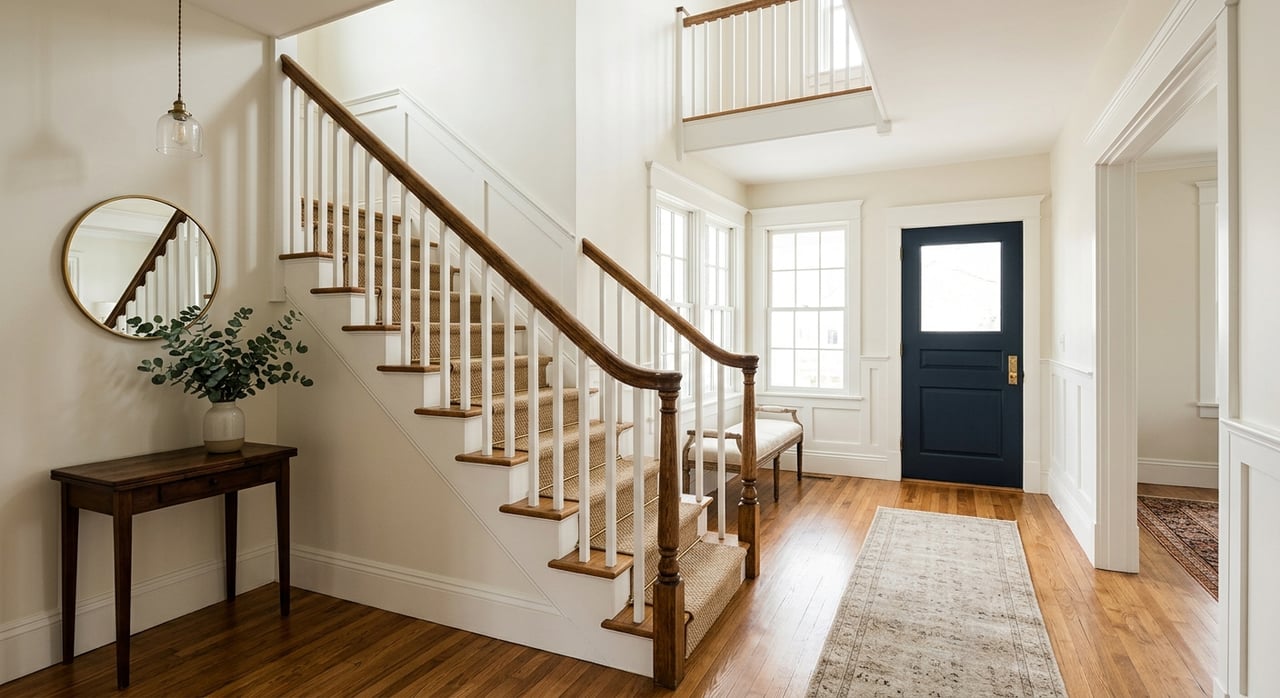
If you own an older home in Medford, you are not alone. Much of Medford’s housing stock was built decades ago, and many buyers here already expect original details, older layouts, and homes with history. What they do not want are surprise repairs, unclear paperwork, or safety issues that could delay a sale. This guide will help you focus on the updates that matter most so you can prepare your home wisely and move forward with more confidence. Let’s dive in.
Why older homes sell in Medford
Medford is a market where older homes are normal, not unusual. City and regional planning sources describe Medford as a village-oriented, high-density suburb near the urban core, and more than half of its housing units were built before 1940.
That matters if you are selling. Buyers in Medford often appreciate character and understand that an older cape, colonial, or multi-family will not feel like new construction. At the same time, with home values in a high range, buyers still expect the home to feel safe, functional, and well maintained.
Start with safety and function
If your budget is limited, put your money into the issues most likely to show up during a buyer’s inspection. In an older home, that usually means the roof, moisture issues, foundation concerns, heating and hot water systems, plumbing, electrical, insulation, windows, and damaged porches or steps.
That approach lines up with both Medford’s housing repair priorities and Massachusetts home inspection guidance. Buyers can often live with older finishes, but they are much less comfortable with active leaks, outdated systems, or signs that maintenance has been deferred.
Focus on water first
Water problems tend to create the most concern because they can affect several parts of the home at once. A roof leak, basement moisture issue, or poor drainage can raise questions about mold, structural wear, and long-term upkeep.
Before listing, it helps to address visible leaks, damp basement conditions, and any signs of moisture intrusion around windows, ceilings, or foundations. In many older Medford homes, a dry and stable feel matters more than a stylish cosmetic upgrade.
Check stairs, porches, and entry points
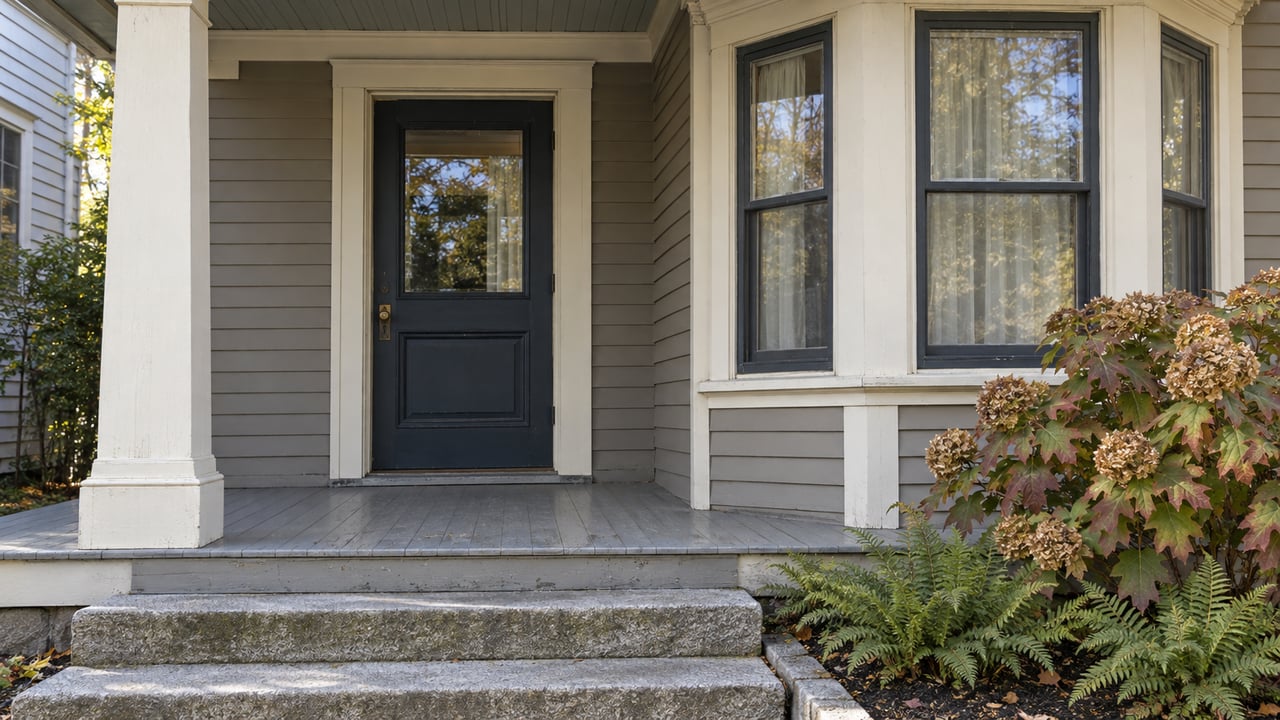
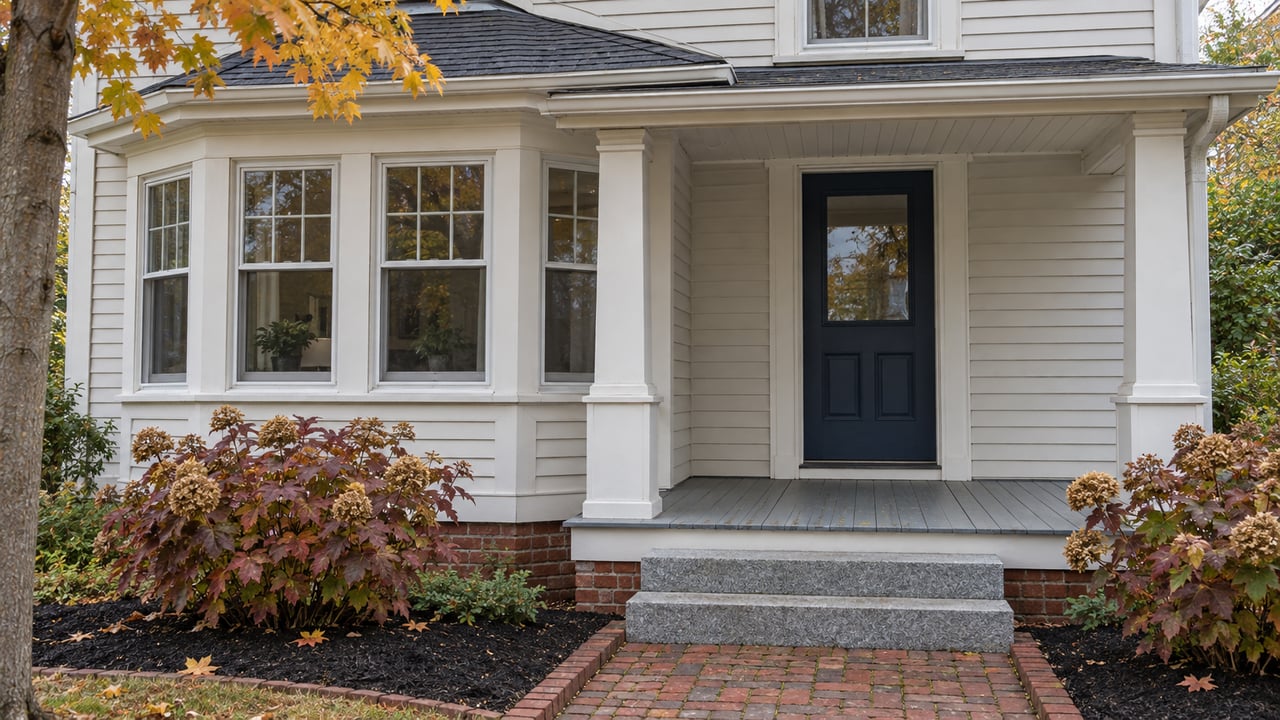
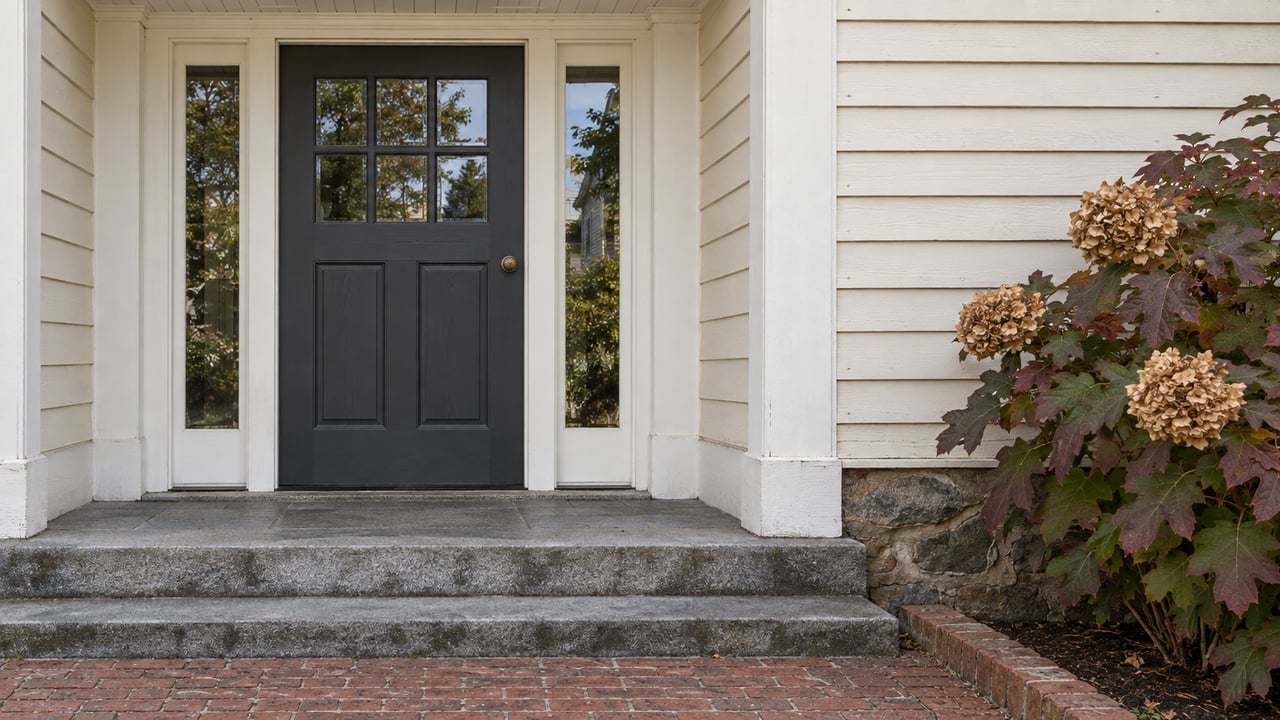
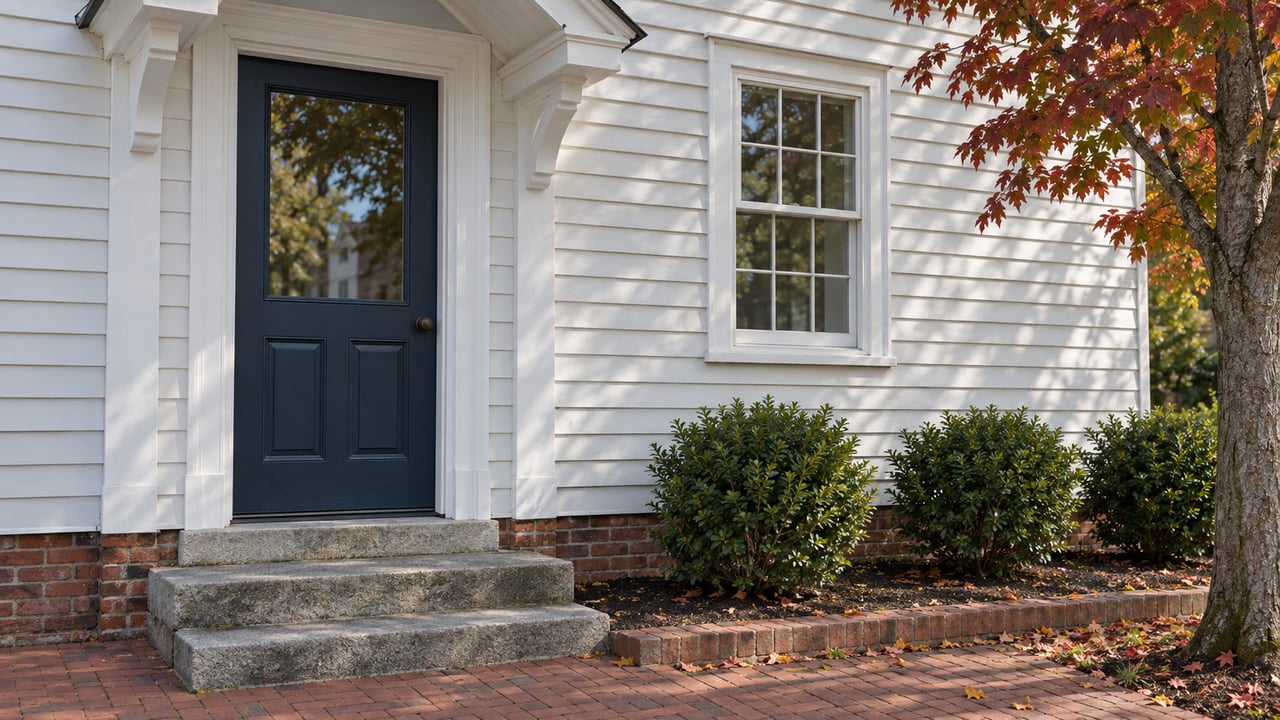
Broken steps, loose railings, worn porches, and uneven walkways can make a home feel less cared for right away. They can also become safety concerns during showings and inspections.
These fixes are often simpler than major renovations, but they can have an outsized impact. When your entry and exterior access feel solid, buyers tend to feel more confident about the rest of the home.
Handle health-related concerns early
In older homes, cleanliness is important, but health and environmental conditions deserve even more attention. Medford’s housing materials highlight excess moisture and mold, pest control, lead abatement, asbestos, and indoor air quality as active concerns.
You do not need to over-improve every older feature. You do want to reduce the chance that buyers walk in and immediately worry about air quality, water damage, or hidden hazards.
Lead paint is a major issue
For homes built before 1978, Massachusetts requires property-transfer lead paint notification before a purchase-and-sale agreement is signed. If a child under 6 will live in a pre-1978 home, state law requires the property to be deleaded or brought into interim control within 90 days of the title transfer.
For many Medford sellers, this is the single most important older-home compliance issue to understand early. It is also worth knowing that Massachusetts maintains lead-history records for pre-1978 homes and daycares, which means buyers may ask detailed questions.
Think beyond paint for lead
In Medford, lead due diligence may go beyond painted surfaces. The city notes that lead can also be present in residential service lines and plumbing, and it offers free water testing plus a rebate toward residential service-line replacement.
If you own an older home and have never looked into this, it may be smart to do so before listing. Even if no replacement is needed, being prepared for buyer questions can make the process feel smoother.
Get smoke and carbon monoxide compliance lined up
In Massachusetts, a home sale or transfer requires a certificate of compliance from the local fire department confirming that smoke and carbon monoxide alarms meet current requirements. This is not optional, and it can become a closing issue if you wait too long.
State guidance says alarms should be on every level of the home, in sleeping areas, in the hallway outside bedrooms, at the top of open stairs, and at the base of cellar stairs. The exact standard can vary based on the age of the home and permit history, so older homes need careful review.
Expect buyers to inspect
Massachusetts now prohibits sellers and agents from making acceptance conditional on a buyer waiving or limiting a home inspection, except in narrow exempt situations. Buyers still have inspection rights, and sellers or agents must provide a separate written disclosure affirming that right before or at the first purchase contract.
For you as a seller, the takeaway is simple. Assume buyers will inspect the home, and prepare accordingly. A smart pre-listing plan should reduce surprises in the readily accessible areas and major systems that inspectors typically review.
What inspectors commonly review
Massachusetts guidance says home inspections are visual reviews of readily accessible areas and major systems. That commonly includes:
- Roof and attic
- Walls, ceilings, and floors
- Windows and doors
- Basement and foundation
- Heating and air systems
- Plumbing
- Electrical systems
Because of that scope, broad cosmetic remodeling is often less valuable than targeted repairs to systems and structure.
Clean up permits and paperwork
Older homes often have a long repair history, and that history is not always neatly documented. In Medford, building permits are required for construction, reconstruction, alteration, repair, demolition, and many regulated system changes.
The city also notes that electrical, plumbing, and gas work must be performed by licensed workers. If you have unfinished permit close-outs or missing records for major work, it is wise to address those items before your home hits the market.
Why permit issues matter
Permit questions can slow negotiations and create uncertainty for buyers. If work was done years ago but cannot be easily documented, buyers may worry about whether systems were installed properly or whether they will inherit a future problem.
Even basic organization can help. Gather invoices, permit records, certificates, and service documentation for major systems so you can answer questions quickly and clearly.
Multi-family homes need extra attention
If you are selling a 3-plus-unit property in Medford, shared safety features deserve especially close review. The city has more than 500 properties designated for periodic inspections as R-2 multi-family properties, and the building department enforces state building, plumbing, gas, and electrical codes.
That means stairs, lighting, exits, and other common-area safety features should be in good order before listing. Two-family homes are not part of the periodic-inspection program, but they still face the same buyer inspection and code questions that come up in any residential sale.
Save cosmetics for last
Once safety, water-tightness, compliance, and paperwork are in order, then it makes sense to think about appearance. Paint touch-ups, decluttering, lighting improvements, and simple finish updates can still help your home show better.
But in an older Medford home, cosmetic work should usually come after the essentials. Buyers are often willing to accept dated finishes if the house feels dry, stable, documented, and responsibly maintained.
When selling as-is may be the right move
Sometimes the right answer is not to fix everything. Selling as-is can make sense if your home needs several major system updates, lead-related work, service-line work, or code-related repairs that would cost more than the likely return.
It can also be the cleaner option if you need speed, want to avoid managing contractors, or expect a buyer who plans to renovate. In Medford, where much of the housing stock is older, buyers are often familiar with that kind of opportunity.
As-is is not a shortcut
Selling as-is does not remove inspection rights or compliance requirements. Lead notification rules still apply, smoke and carbon monoxide compliance still matters, and permit issues do not disappear.
A useful way to think about it is this: if your home needs one or two targeted fixes, a focused pre-listing punch list is usually the smarter path. If it needs multiple major systems at once, pricing and positioning it as-is may be more practical.
A smart Medford pre-listing checklist
For many older homes in Medford, the best order of operations looks like this:
- Fix safety issues and stop active water intrusion
- Review lead paint obligations and ask whether plumbing or service-line questions may come up
- Prepare for smoke and carbon monoxide compliance
- Gather permit records and licensed-work documentation
- Address common-area safety items if the property is multi-family
- Make simple cosmetic improvements only after the major items are handled
This kind of preparation can help your home feel more trustworthy to buyers. In a market full of older housing, that confidence often matters as much as charm.
If you are deciding what to fix, what to leave alone, and how to position your older Medford home for the strongest result, Laurie Crane can help you build a calm, practical plan around your timeline, budget, and the realities of this local market.
FAQs
What should sellers fix first in an older Medford home?
- Start with safety and function, especially roof leaks, moisture issues, foundation concerns, heating and hot water systems, plumbing, electrical, windows, insulation, and damaged porches or steps.
What lead paint rules apply when selling an older Medford home?
- If your home was built before 1978, Massachusetts requires property-transfer lead paint notification before a purchase-and-sale agreement is signed, and if a child under 6 will live there, the home must be deleaded or brought into interim control within 90 days of transfer.
What smoke and carbon monoxide requirements apply to a Medford home sale?
- Before sale or transfer, Massachusetts requires a certificate of compliance from the local fire department showing that smoke and carbon monoxide alarms meet the applicable standards for the home.
Can buyers still inspect a Medford home that is being sold as-is?
- Yes. In Massachusetts, buyers still have inspection rights, and selling as-is is a pricing and scope decision rather than a way to avoid inspections or required disclosures.
What permit issues can delay the sale of an older Medford home?
- Missing permit close-outs, undocumented repairs, or major electrical, plumbing, or gas work without clear licensed-work records can raise buyer concerns and complicate closing.
What should owners of Medford multi-family properties check before listing?
- Sellers of 3-plus-unit properties should pay close attention to common-area safety items such as stairs, lighting, exits, and other shared features that may draw inspection or code questions.