Is your Woburn Cape or Colonial begging for more light, flow, and gathering space? You are not alone. Many local homes were built with smaller, closed kitchens that can feel tight by today’s standards. In this guide, you will learn what it really takes to open your kitchen in a classic Woburn home, including practical layouts, permit steps, timelines, costs, and resale tips. Let’s dive in.
Why open-concept kitchens resonate in Woburn
Woburn has many mid‑century and earlier homes, so closed and compartmentalized layouts are common. In a competitive Greater Boston market, a move‑in‑ready kitchen can help your home stand out in searches and at showings. You can explore current conditions in the Woburn housing market to see how buyers are responding.
Buyer surveys still show strong interest in spacious kitchens with islands and good storage, yet some people also value defined rooms. The key is balance. An open kitchen that respects a home’s period character tends to appeal broadly, according to recent buyer preference research.
Cape vs. Colonial: what changes are realistic
Cape basics to keep in mind
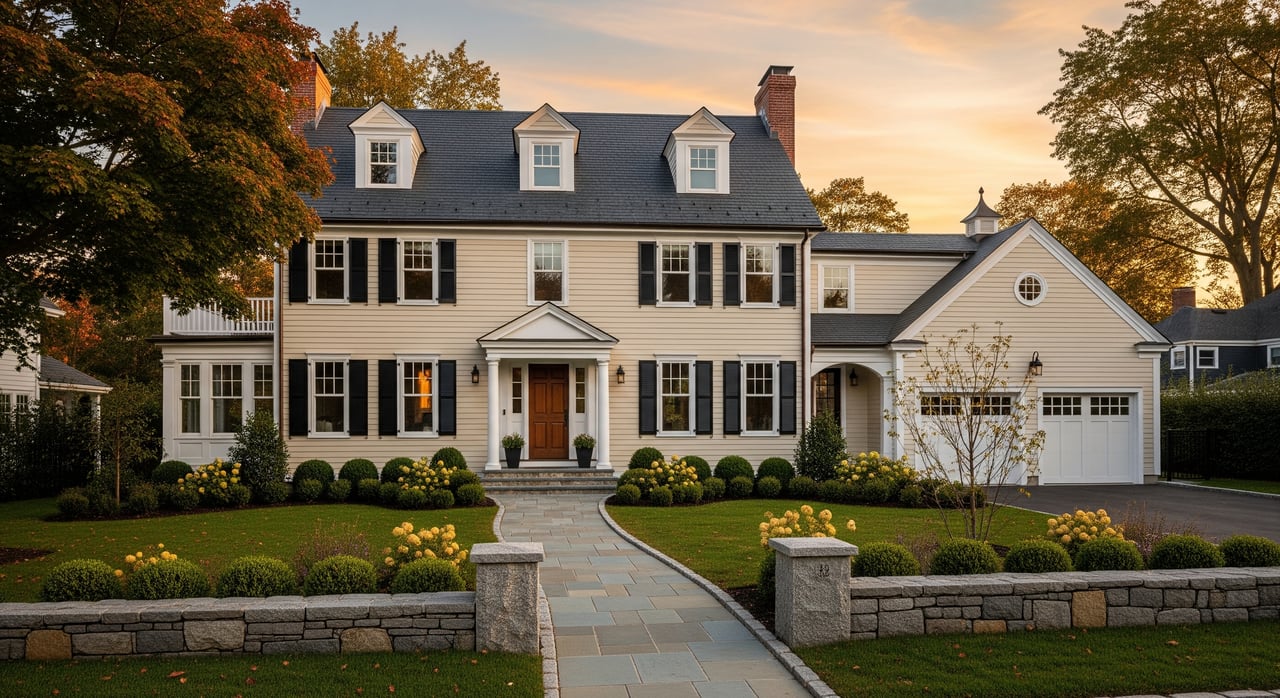
Classic Capes often have compact footprints, lower first‑floor ceilings, and dormers. Kitchens are usually at the rear or side. Creating openness may involve widening openings, removing a wall to the dining area, or planning a small rear bump‑out to gain elbow room and ceiling height. Learn more about common Cape features in this overview of Cape Cod architecture.
Colonial basics to keep in mind
Traditional two‑story Colonials often use a center‑hall plan with a smaller kitchen at the rear and formal rooms up front. The most common move is opening or combining the kitchen, dining, and family spaces across the back of the house. See how a center‑hall plan typically works in this Colonial floor plan primer.
Smart ways to open your kitchen
Here are practical approaches, from lighter touch to full transformation:
- Pass‑throughs or widened openings
- Good for improving sightlines and light while keeping some wall for cabinets.
- Lower cost and simpler permit path than full wall removal.
- Remove a non‑load‑bearing wall
- Effective when the wall is not structural.
- Plan to reroute electrical and update lighting.
- Remove a load‑bearing wall and add a beam
- Creates a true open plan between kitchen and dining or family spaces.
- Expect engineering, permits, temporary shoring, and inspections. Typical costs range from several thousand dollars to much more depending on spans and services, per industry cost guides.
- Add a modest rear bump‑out
- Common for tight Capes that need more area and height.
- Higher cost and a longer timeline, but preserves the home’s street‑facing character.
Must‑have features that fit older homes
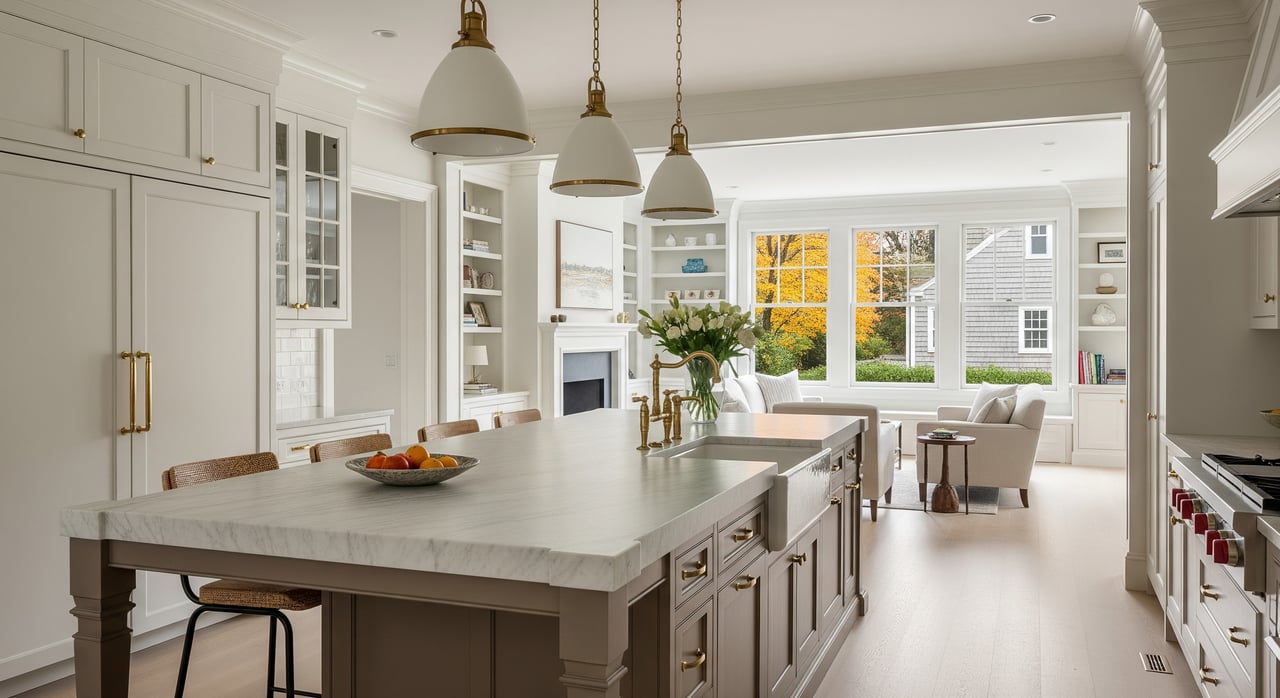
- An island with seating if space allows.
- Efficient work triangle and ample task lighting.
- Storage that works hard: tall pantry cabinets or a small walk‑in pantry.
- Durable surfaces like quartz and a modern, matched appliance package.
- Clean ventilation to the exterior.
Design surveys show islands, integrated storage, and workstation sinks leading the way, as noted in the latest NKBA kitchen trends summary.
Structure, systems, and permits in Woburn
Opening walls often affects structure and utilities. Load‑bearing walls, gas lines, plumbing, and electrical runs are common inside older partitions. If you remove or shrink a load‑bearing wall, you will likely need an engineered LVL or steel beam and staged inspections. Massachusetts requires permits for most structural, plumbing, electrical, and mechanical work under the Massachusetts State Building Code.
You can apply and track approvals through the city’s Woburn permitting portal. Avoid starting work before permits are issued, and confirm that your drawings meet submission requirements.
Costs and timelines to expect
Every home is unique, but these planning ranges can help you scope the project:
- Structural wall removal and beam installation: often several thousand dollars, and more for longer spans or when relocating utilities, according to typical cost ranges.
- Midrange major kitchen remodels in New England average around $80,000, with roughly 44% to 58% of costs recouped at resale depending on finishes and scope, per the 2024 New England Cost vs. Value report. Minor updates tend to recoup a higher percentage.
- Timelines: minor cosmetic updates often take 1 to 3 weeks, midrange remodels about 6 to 12 weeks, and major projects with structural work or additions can run 3 to 5 months or more, as outlined in this kitchen remodel timing guide.
Ways to keep costs in check:
- Keep the sink and range near existing plumbing and gas runs.
- Choose widened openings or a pass‑through instead of full wall removal when it delivers enough flow.
- Use a transitional finish palette so future buyers can easily make it their own.
Resale strategy for sellers
If you plan to sell soon, focus on smart function over luxury. Minor kitchen updates often deliver stronger percentage returns, while major remodels can raise overall sale price but recoup a smaller share of cost, according to regional Cost vs. Value trends. In both Capes and Colonials, a transitional approach that respects original trim and window patterns while modernizing the kitchen’s function tends to draw the widest audience.
Ready to map the best path for your Woburn home? Reach out to Laurie Crane for calm, data‑driven guidance and a plan tailored to your goals.
FAQs
Do you need a permit to open a kitchen in Woburn?
- Most structural changes and any work that affects plumbing, gas, electrical, or ventilation require permits under the Massachusetts State Building Code; apply through the city’s permitting portal.
What budget should you plan for an open kitchen remodel in Woburn?
- Many projects land in the tens of thousands, with midrange major remodels around $80,000 in New England plus potential structural costs for a beam, per the Cost vs. Value report and structural cost guides.
Will an open kitchen help resale in Woburn?
- A functional, tasteful open kitchen with an island, storage, and good appliances generally boosts marketability; minor remodels often recoup a higher percentage of cost than upscale projects, based on regional trends.
Anything unique about opening a kitchen in a Cape?
- Capes often have lower ceilings and dormers, so a small rear bump‑out is a common way to gain space and height for a true open plan; see typical Cape constraints in this architecture overview.