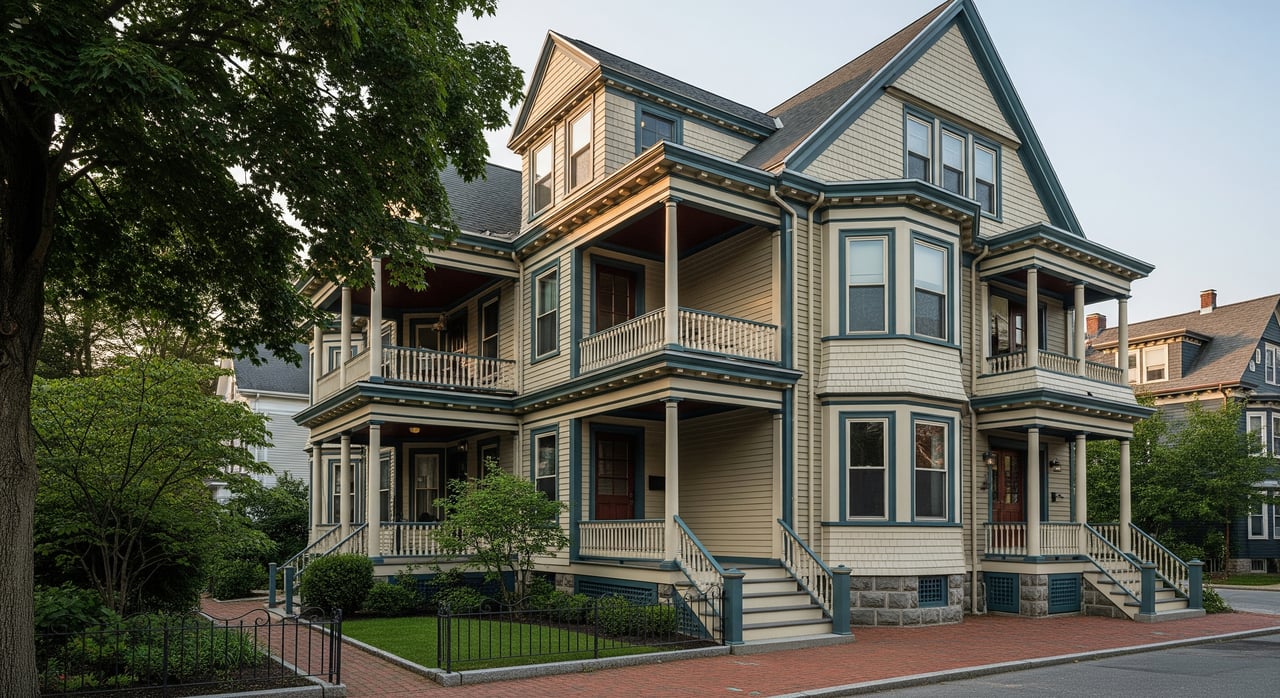
Curious about the triple-decker you keep seeing around Somerville? You’re not alone. These three-story homes show up in many listings and open houses, but their layouts, financing, and upkeep can feel confusing at first. In this guide, you’ll learn what a triple-decker is, how they typically function in Somerville, and what to watch for whether you plan to buy, sell, or convert. Let’s dive in.
Triple-decker basics
What it is
A triple-decker is a three-story wood-frame building with one apartment on each floor. It is a classic New England housing type designed to fit multiple homes on a narrow city lot. You often see stacked porches, bay windows, and compact side yards.
Why they’re common in Somerville
Many triple-deckers were built in the late 1800s and early 1900s to house a growing workforce as Somerville expanded with industry and transit. The model offered efficient land use, lower per-unit costs, and the ability for an owner to live in one unit and rent the others. That history still shapes Somerville’s streetscapes today.
Typical features and systems
Most triple-deckers have wood siding, pitched roofs, and shared entries with a common stair. Basements often hold mechanicals and laundry. Utilities may be shared or separated by unit depending on past updates. Porches and small rear yards are common, sometimes shared by residents.
Layouts and ownership models
Common floor plans
- Three similar single-level apartments stacked one per floor.
- Two-over-one or owner-focused layouts where the first floor is larger and upper floors are smaller rentals.
- Reconfigured plans that combine levels into a larger unit or add an in-law space in the basement, where allowed.
Ownership paths
- Single-owner landlord holding the whole building and renting all units.
- Owner-occupied multi-family where you live in one unit and rent the others.
- Condominium conversion where each floor becomes an individual condo, sold separately under state condominium law.
Conversions and local rules
Condo conversion follows the Massachusetts Condominium Act, Chapter 183A. In Somerville, you should factor in municipal inspections, fire-safety and egress standards, and tenant-notification or protection rules where applicable. Always verify current requirements with Somerville Inspectional Services, the Planning Department, and local ordinances before you set a timeline.
Buying a triple-decker in Somerville
Who typically buys
Small-scale investors, owner-occupants seeking rental income to offset costs, and buyers of converted condo units all shop this segment. Your strategy depends on whether you want to live in the building, hold it for income, or buy a single condo within one.
Financing options
Conventional lenders finance 2–4 unit properties and will review condition, rental income, and unit legality. FHA and VA programs allow owner-occupants to purchase 2–4 unit properties, subject to each program’s eligibility and occupancy rules. For condos, financing resembles single-family loans once the condo documents, master insurance, and association meet lender standards.
How pricing works locally
Triple-deckers may be marketed as income properties, owner-occupied opportunities, or individual condos. Value depends on square footage and unit mix, porches and roof condition, mechanical systems, rent roll and occupancy, and zoning potential for legal alterations or conversion. Investors may analyze cap rate and GRM, and most sellers still look closely at comparable building sales in the neighborhood.
Inspection and safety priorities
Structure and exterior
Older roofs, sagging or rotted porches, and tired stairs are common. Because porches are part of the building’s egress, their condition is both a safety and financing issue. Look for leaning posts, soft stringers, and patchwork repairs that signal deferred maintenance.
Systems and utilities
Shared steam or hot-water boilers are common. Check boiler age, service records, and chimney or flue condition. Confirm the electric service is updated and sized appropriately and look for older wiring types, outdated fuse boxes, or exposed DIY work. Plumbing may include older galvanized piping or lead solder, and unit-level shutoffs are not always present. Older homes may also have abandoned or active oil tanks that require evaluation.
Health and safety items
Lead-based paint is likely in pre-1978 buildings and Massachusetts has specific disclosure and rental requirements. Fire separation between units and safe egress are essential. Smoke and carbon monoxide detectors must meet modern code. If you notice moisture, musty odors, or visible mold, plan for further evaluation.
Due diligence checklists
Buyer checklist
- Confirm the legal unit count and separate addresses or records.
- Request the rent roll, current leases, and a history of vacancies.
- Verify gas, electric, and water metering for each unit and who pays what.
- Order a multi-unit home inspection plus licensed specialists for boiler, electrical, and chimney as needed.
- Ask for maintenance records for roof, porches, heating, and electrical upgrades.
- Check for open permits or violations with Somerville Inspectional Services.
- Confirm zoning status and any constraints for alterations or condo conversion with Somerville Planning and Zoning.
- If buying as an owner-occupant, prequalify with a lender experienced in 2–4 unit loans and prepare projected rental income if allowed.
- Review multi-unit owner and landlord insurance requirements.
Seller checklist
- Complete a pre-list assessment to address safety items like porches and electrical hazards.
- Gather rent rolls, leases, and capital improvement records.
- If considering a condo conversion, consult an attorney experienced in Chapter 183A and Somerville permitting.
- Tackle obvious deferred maintenance that could derail financing or inspections.
- Disclose known lead paint, asbestos, oil tanks, or past remediation.
Red flags to watch during showings
- Chronic dampness, mildew smells, or visible mold in basement or baths.
- One mechanical system servicing multiple units without clear metering or cost allocation.
- Collapsed, leaning, or heavily patched porches and stairs.
- Claims of separate utilities that do not match the meters you see.
- Signs of unpermitted renovations, missing fire separations, or bedrooms without proper egress.
- Outdated electrical, exposed wiring, or undersized service.
- Posted code violations or a history of enforcement actions.
How to move forward with confidence
If you are a buyer, clarify whether your goal is owner-occupancy with rental income, a pure investment, or a condo unit in a converted building. Then match your financing, inspection scope, and negotiation strategy to that plan. If you are a seller, preparation is your advantage. Resolving safety and code issues, compiling clear documentation, and deciding whether to sell as a multi-family or explore conversion can improve pricing and reduce surprises.
Ready to map out your next step in Somerville’s triple-decker market? Reach out to Laurie Crane for a personalized, neighborhood-level plan backed by calm, high-touch guidance and elevated marketing.
FAQs
What is a triple-decker in Somerville?
- It is a three-story wood-frame building with one apartment per floor, a common historic housing type across Somerville’s neighborhoods.
How do I finance an owner-occupied triple-decker?
- Conventional loans and certain FHA and VA programs allow 2–4 unit purchases when you live in one unit, subject to each program’s requirements and property condition.
What inspections are most important for older three-deckers?
- A full multi-unit home inspection plus targeted checks of porches, roof, boiler and chimney, electrical service and wiring, foundation moisture, and possible lead or asbestos.
What drives pricing for triple-deckers in Somerville?
- Unit mix and size, current condition and capital needs, rent roll and occupancy, and any zoning potential for legal alterations or condo conversion.
What should sellers fix before listing a triple-decker?
- Safety-critical items like porches and electrical hazards, plus obvious deferred maintenance that could block financing; gather leases, rent rolls, and improvement records.
What should I know about condo conversions in Somerville?
- Conversions follow Massachusetts Chapter 183A and involve local inspections, code compliance, and tenant-notification rules where applicable; confirm specifics with city departments.
Are there lead paint rules for these properties in Massachusetts?
- Yes. Pre-1978 homes likely contain lead-based paint; state law requires disclosures and sets rental compliance standards, so plan for assessments and potential mitigation when needed.