Trying to picture your life in Cambridge, MA? Maybe you want the energy of a true city, but you also need an easy commute, great food, and green space for daily resets. In this guide, you’ll get a clear sense of neighborhood rhythms, how you’ll get around, what housing looks like, and practical tips that make moving here smoother. Let’s dive in.
Cambridge at a glance
Cambridge is compact and highly walkable, with a population of about 118,403 residents. It sits just across the Charles River from Boston and runs on a network of vibrant “squares,” each with its own feel. You’ll find historic streets, new development near the tech corridor, and an everyday pace shaped by Harvard and MIT. City services, planning, and housing programs are coordinated through the City of Cambridge Community Development Department.
Neighborhoods: the squares you’ll live by
Each square offers a different daily rhythm. Many residents choose where to live based on where they want to grab coffee, hop on the Red Line, or enjoy a low-key evening.
Harvard Square
Harvard Square blends historic charm with an academic pulse. You’ll see bookstores, cafes, street performers, and visitors alongside students and longtime locals. Housing is a mix of apartments, historic rowhouses, and some single-family pockets, with many rental options.
Central Square
Central Square is eclectic and creative, with a lively nightlife and a mix of longtime businesses and new restaurants. Music venues and community arts spaces add to its energy. You’ll find older multi-family buildings and some newer mid-rise developments.
Kendall Square and East Cambridge
Kendall Square is a major tech and biotech hub near MIT. Expect modern architecture, high-end dining, and newer condo and apartment buildings, including mid- and high-rise options. East Cambridge blends this growth with traditional streets and converted industrial spaces.
Porter Square
Porter Square feels a touch quieter than Harvard and Central, with convenient shopping and access to the commuter rail. Nearby streets include triple-deckers, classic Victorians, and condo conversions. Many residents value the slightly calmer vibe while staying close to city amenities.
Other Cambridge neighborhoods
- Inman Square: Smaller, eclectic dining scene and local bars, with pockets of rowhouses and multi-family homes.
- Cambridgeport and West Cambridge: Closer to the river, more residential blocks, and some single-family homes.
- North Cambridge and Alewife: A mix of older housing and newer developments near Alewife Station, useful for commuters who split time between car and transit.
- Mid-Cambridge and Agassiz: Tree-lined residential streets not far from Harvard, with a strong academic presence.
For a deeper sense of historic building types and preservation areas, explore the Cambridge Historical Commission.
Housing and what to expect
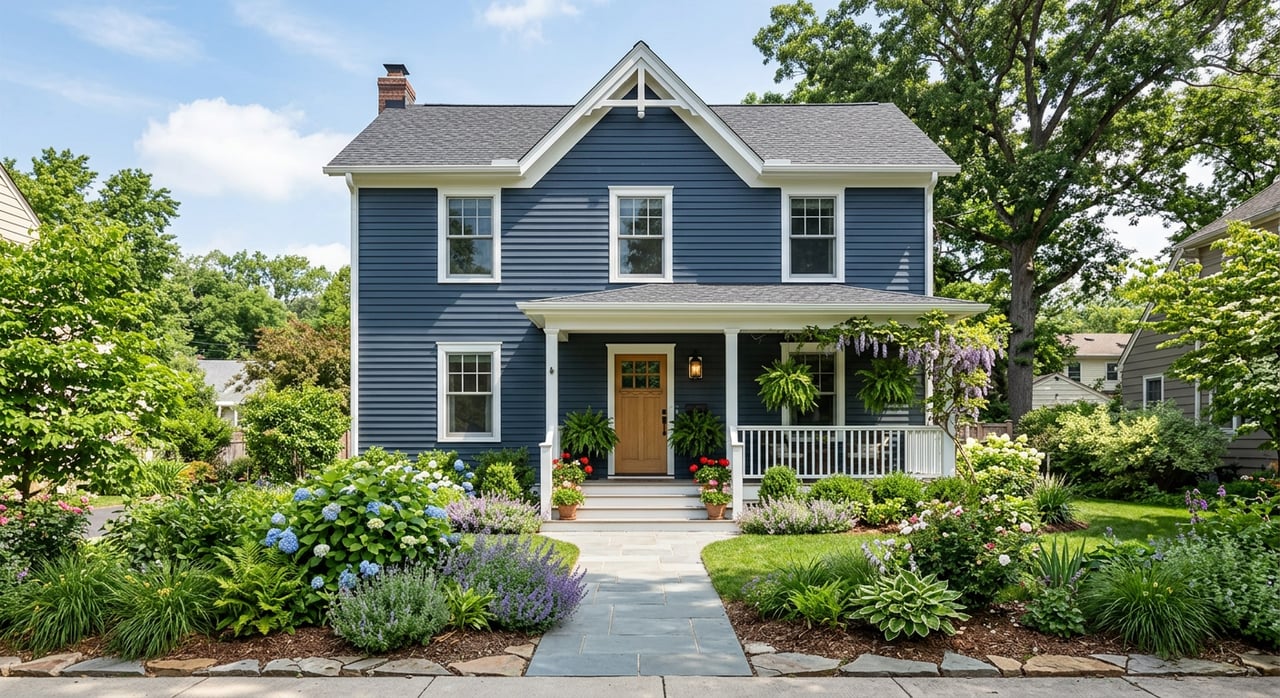
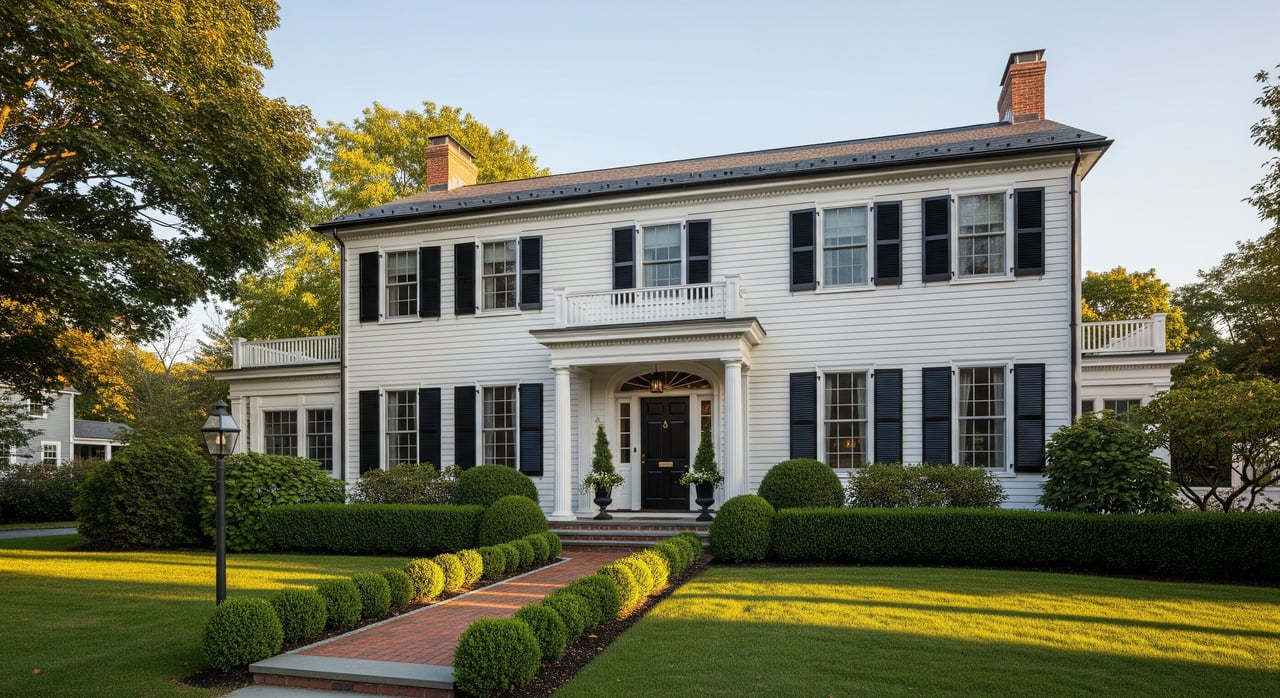
You’ll see a wide range of housing options across Cambridge. Classic New England triple-deckers and walk-up apartments are common, along with historic brick rowhouses and Victorian single-family homes in parts of Cambridgeport, West Cambridge, and near Harvard. Newer mid- and high-rise condos cluster around Kendall Square and along key corridors.
Cambridge has a large renter population, influenced by nearby universities and early-career professionals. Lease cycles often align with academic calendars, so timing matters if you want the most options. Expect premium pricing in Kendall and Harvard-adjacent areas, with comparatively more modest options in parts of Central, North Cambridge, and sections of East Cambridge.
For affordability tools and inclusionary housing programs, start with the City of Cambridge Community Development Department. Massachusetts does not have rent control, and Cambridge administers local affordable housing programs through its city departments.
If you want a current snapshot of median prices or rents, check live market resources and talk to a local agent who can translate neighborhood-level trends into a strategy that fits your budget and timing.
Getting around: Red Line, bikes, and walking
Most daily trips are easy without a car. The MBTA Red Line anchors Cambridge with stations at Alewife, Porter, Harvard, Central, and Kendall/MIT, connecting directly to Boston and beyond. You can plan routes, check service updates, and time your commute through the MBTA.
At Porter Square, the Fitchburg Line commuter rail offers another way to access regional job centers. Cambridge also has an extensive bike network with many protected lanes, and public bike-share via Bluebikes. If you love running errands on foot, Cambridge scores highly for walkability and transit convenience; compare neighborhoods using Walk Score’s Cambridge page.
Driving is possible, but you should plan for limited street parking and peak-hour traffic into Boston. Many households choose one car or no car and rely on transit, bikes, and rideshares for most trips.
Daily life: food, parks, culture, and care
Food and coffee are part of the Cambridge routine. You’ll find everything from casual student spots to destination dining, with lively clusters in Harvard, Central, Inman, and Kendall. Farmers’ markets and specialty grocers pop up across the city through the warmer months.
Green space is easy to reach. The Charles River paths are popular for running, walking, and kayaking. Larger parks like Fresh Pond Reservation, Danehy Park, and Magazine Beach give you space to play, picnic, or walk the dog, and there are many neighborhood playgrounds sprinkled across the city.
Cultural life runs strong. Harvard and MIT bring museums, talks, and performances, including the Harvard Art Museums, the MIT Museum, and theater at the American Repertory Theater. Independent music venues and community arts spaces add to the scene, especially around Central and Inman Squares.
Schools are managed by Cambridge Public Schools. Assignment processes and program options vary by grade level, so review official details and visit specific schools to understand offerings and logistics.
Healthcare needs are well covered locally. Cambridge Health Alliance operates hospitals and clinics in the city, and you are close to major academic medical centers in Boston.
For safety and public information, the Cambridge Police Department shares reports and neighborhood-level data. Like any urban area, patterns vary by block and time of day, so it helps to review data and walk the streets you are considering at different hours.
Practical planning for buyers and renters
- Taxes and assessments: Property tax rates are set annually by the city and depend on assessed value. Check the Cambridge Assessing Department for current rates and assessment details.
- Parking and permits: Street parking is regulated, and many residents use resident permits or pay for private parking. Confirm rules for your target block before you sign a lease or write an offer.
- Zoning and renovations: If you plan to renovate or add an accessory unit, review zoning and historic district guidelines. The Cambridge Historical Commission and city zoning resources are essential starting points.
- Buying vs. renting tradeoffs: Buying often means paying a premium for location and transit access. Some first-time buyers compare Cambridge with nearby suburbs for more space while keeping a reasonable commute.
- Accessibility: Sidewalks and transit are generally solid, but some older buildings lack elevators. If mobility is a concern, focus on newer construction or elevator-equipped buildings near transit.
How Cambridge compares nearby
- Somerville: Urban feel with active squares and ongoing development, often similar pricing depending on the area.
- Newton: More suburban with larger lots in many neighborhoods and a longer drive to some job centers.
- Belmont: Quieter, smaller-suburban setting with fewer nightlife options and convenient access to Cambridge by car or bus.
- Brookline: Close-in suburb with strong transit access on the Green Line and prices that can rival Cambridge.
These comparisons can help you decide between more space and a quieter street or the convenience of living close to Cambridge’s squares and transit.
Is Cambridge a fit for you?
You might love living in Cambridge if you want to do most errands on foot, hop on the Red Line for work, and be near parks, museums, and a diverse food scene. You should be comfortable with urban density, lively streets around the squares, and a competitive housing market. If you prefer a larger yard and more space, nearby suburbs can offer that, with a tradeoff in commute time and daily convenience.
Work with a local guide
If you are weighing neighborhoods, commute options, and the right time to move, a calm, data-informed approach helps. You can compare buildings, transit access, and renovation rules before you commit, and then tailor a plan for buying or renting that matches your budget and timeline. When you are ready for next steps, connect with Laurie Crane for a personalized market consultation rooted in Cambridge expertise and a high-touch, results-focused process.
FAQs
How far are Cambridge commutes to Boston?
- From Red Line stations like Kendall or Harvard, many downtown Boston trips are often under 20 minutes, but exact times vary by destination and time of day. Use the MBTA trip planner for precise routes.
What are typical home types in Cambridge?
- You’ll see triple-deckers and walk-ups citywide, historic rowhouses and some single-family homes near the river and Harvard, and newer mid- to high-rise condos in Kendall and along key corridors.
Is Cambridge walkable and bike-friendly?
- Yes. Most squares are highly walkable, the Red Line connects across the city, and protected bike lanes plus Bluebikes make cycling practical for many trips; compare areas on Walk Score.
How do public schools work in Cambridge?
- Cambridge Public Schools manages enrollment and programs. Review their site for assignment policies, school profiles, and timelines, then visit campuses to evaluate fit and logistics.
What should I know about parking in Cambridge?
- Street parking is limited and regulated. Many residents use permits or private spaces and rely on transit for most trips. Check city rules for your target block before moving.
Where can I find current prices and rents in Cambridge?
- Figures change frequently and vary by square. Review up-to-date market resources and connect with a local agent for a neighborhood-level snapshot that aligns with your needs and timing.